High-Performance Thermal Engineering
-
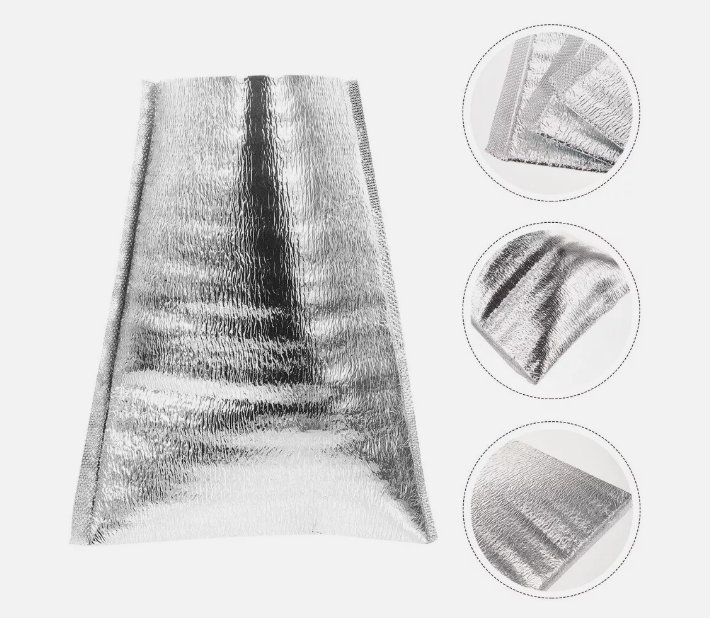
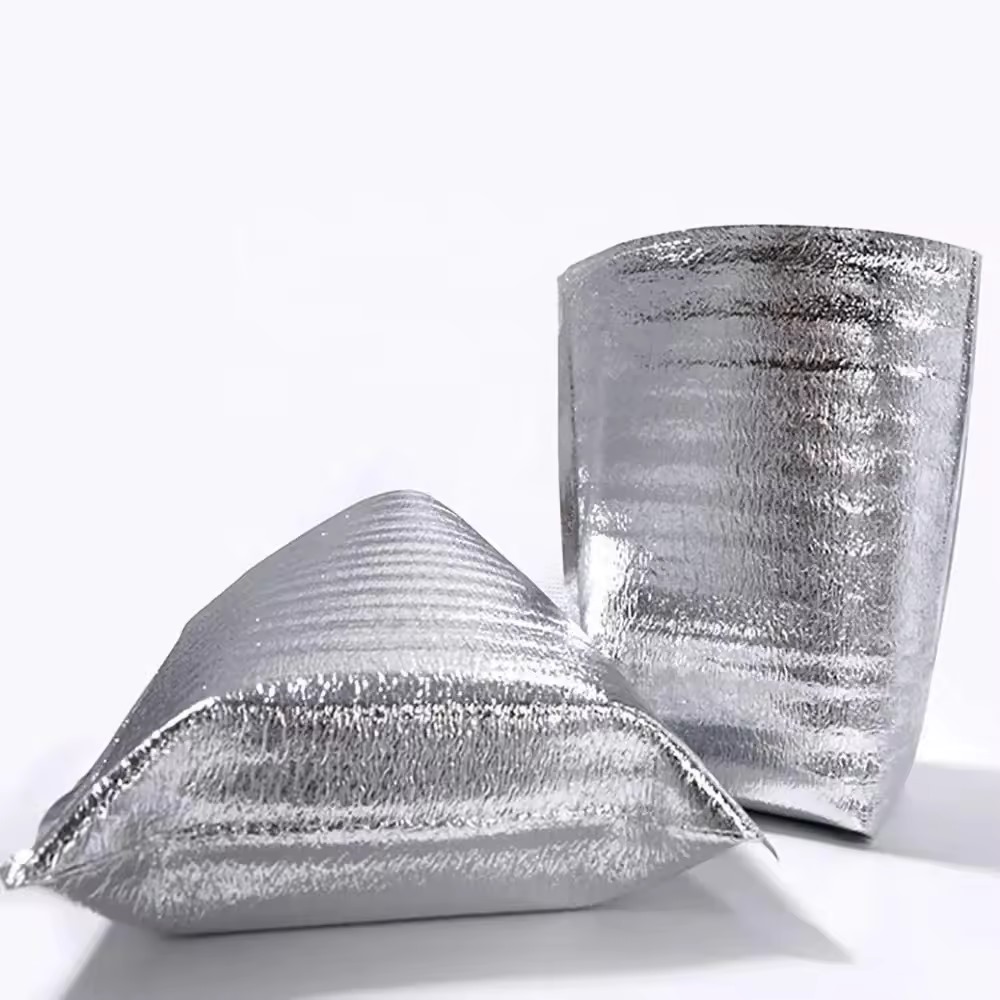
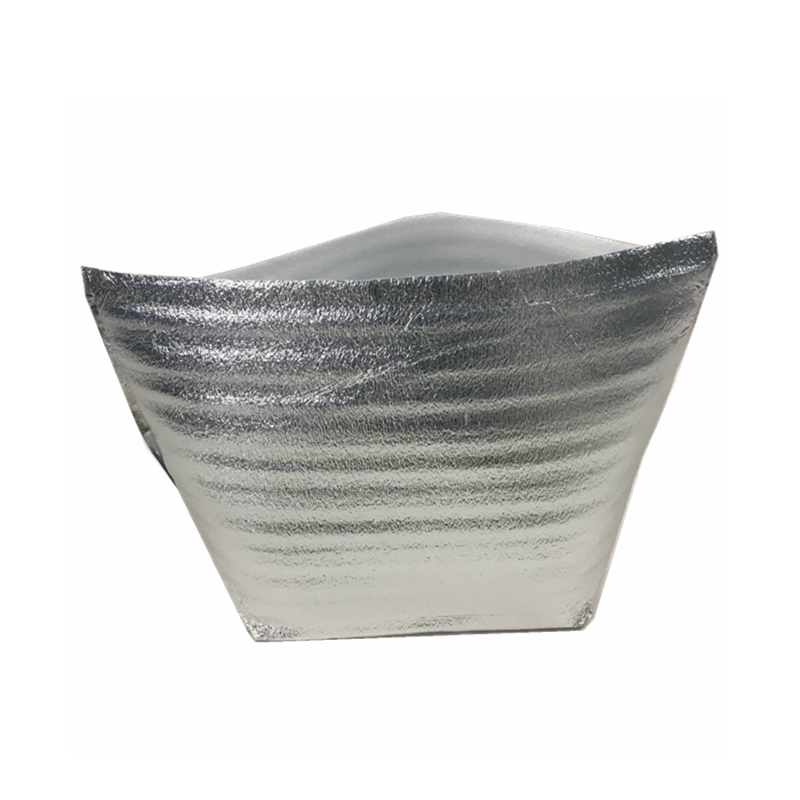
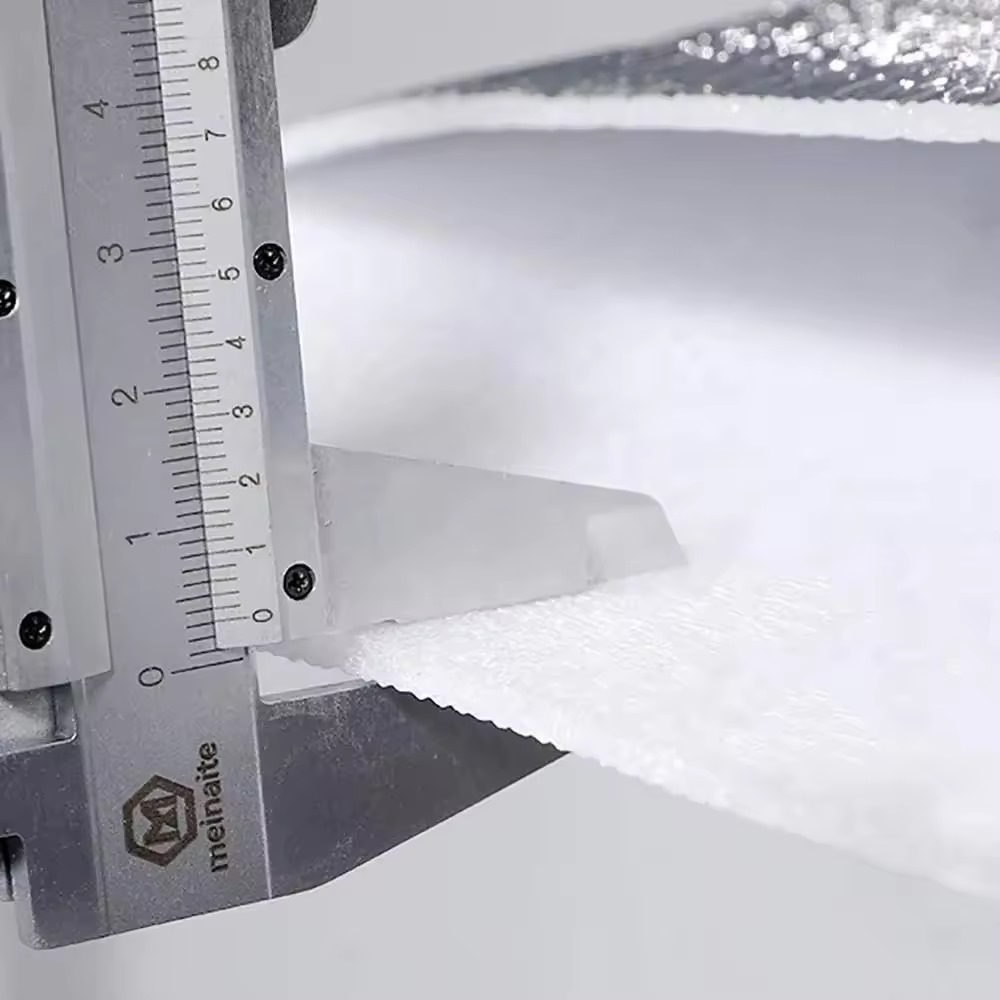
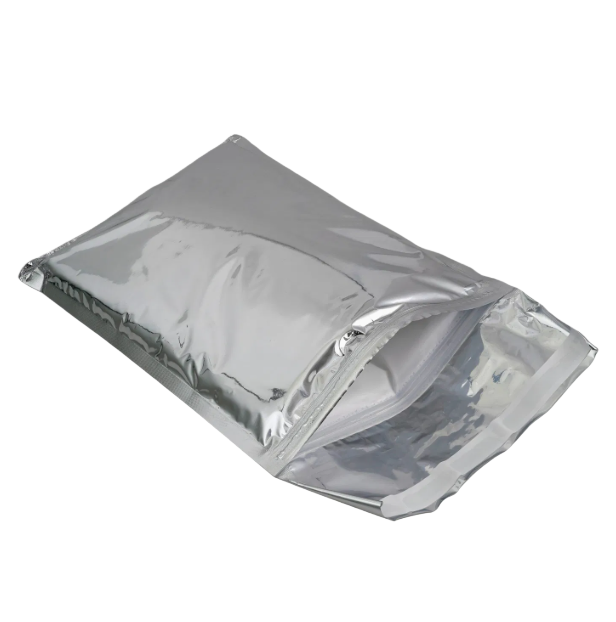
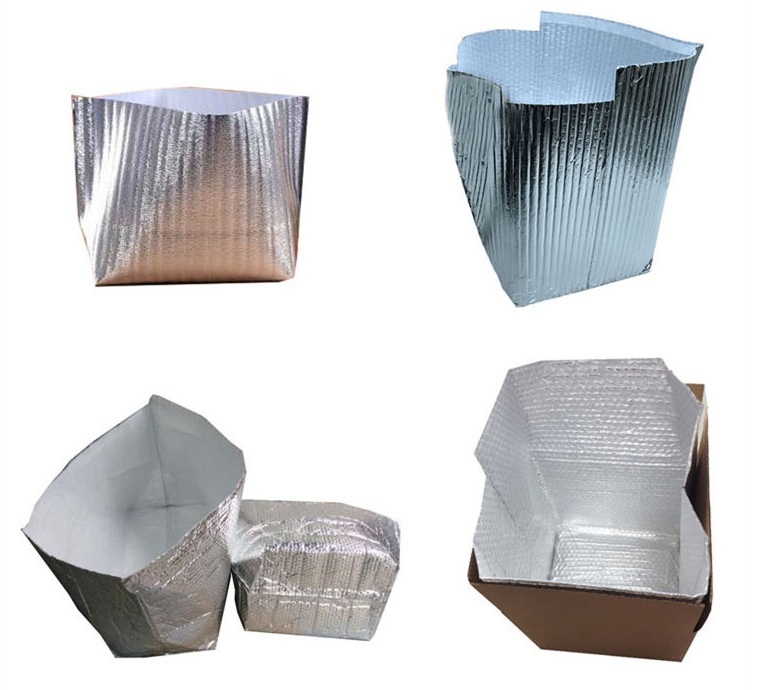
Triple-Layer Insulation Matrix: Reflective outer shells to deflect 95% of solar radiation, high-density EPE/PE foam for conductive barriers, and heat-sealed PEVA or TPU liners for 100% leak-proof performance.
-
Thermal Retention Metrics: Maintains internal temperatures below 5°C for up to 12 hours in 35°C ambient conditions.
-
Airtight & Watertight Seals: Welded seams (rather than stitched) and TRU-Zip or waterproof zippers that prevent cold air escape.
Key Features Bullet
-
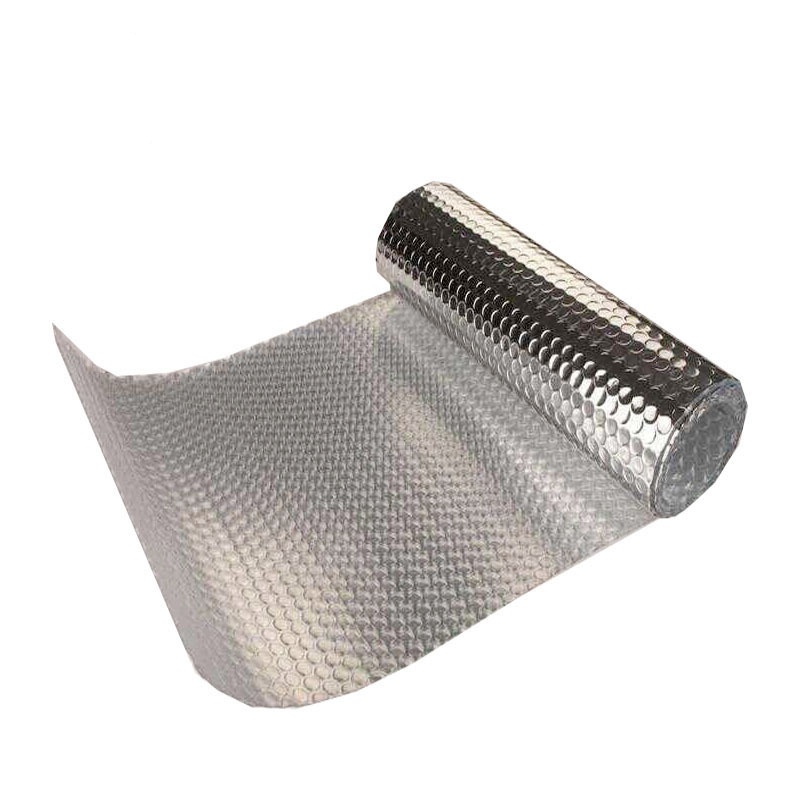
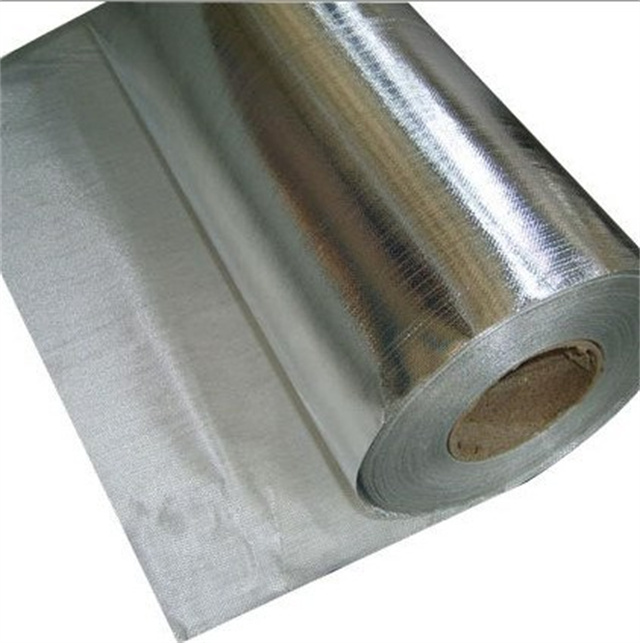
Advanced Radiant Barrier: Reflects external heat while trapping internal cold air using our proprietary lining.
-
Insulation Materials: Common materials include PE foam, EVA foam, polyurethane foam, and reflective linings like aluminum foil or Mylar, which act as a barrier to heat transfer.
-
Sustainable Core: Insulated with 100% recyclable high-density foam and wrapped in GRS-certified rPET fabric.
-
Closure Systems: Zippers are common for easy access, but some high-end coolers use magnetic seals or roll-top closures with buckles for superior temperature retention and leak prevention.
-
Leak-Proof Melt Welding: Zero-stitch construction ensures no leaks and easy sanitation.
-
Portability: Options range from simple tote handles to padded backpack straps, sternum straps, and even wheels for heavier loads.
-
Durability: Outer layers are typically made from durable, water-resistant materials like nylon or polyester. Reinforced stitching and hardboard bottoms add stability and prevent rips.
Types and Uses of Thermal Bags
-
Lunch Bags: Compact and often stylish, these are used for carrying daily meals to work or school, preserving freshness and temperature for several hours. They are available in various sizes and designs, including tote and backpack styles.
-
Grocery Shopping Bags: Reusable, larger bags with sturdy handles, designed to transport perishable items like frozen foods, dairy, and meat from the store to home without breaking the "cold chain".
-
Food Delivery Bags: Commercial-grade bags used by restaurants and catering services to keep food hot (or cold) during transit. Specific designs exist for items like pizzas, with features like steam vents to prevent sogginess, or reinforced compartments for soups and drinks.
-
Medical/Pharmaceutical Bags: Highly specialized, often rigid or heavily insulated containers used to transport temperature-sensitive medications and vaccines within a specific, safe temperature range (typically 2 to 8°C or 36 to 46°F).
-
Cooler Bags/Packs: While similar to thermal bags, these are specifically designed for extended cold retention, often using thicker insulation and ice packs for outdoor activities like picnics, camping, and beach trips.
Industry & Application
-
Pharma & Biotech: Compatibility with gel packs and PCM (Phase Change Materials) for the transport of temperature-sensitive biologics and vaccines.
-
Food Delivery & Grocery: Food Safety Compliance. Antimicrobial liners that inhibit mold and odor, and reinforced handles designed for high-frequency daily use.
-
Outdoor & Lifestyle: Durability and Portability. 840D TPU-coated nylon (puncture resistant) and ergonomic load-bearing straps.
Sustainability & "Circular" Manufacturing
-
Recycled Materials: GRS-certified rPET (recycled polyester from ocean-bound plastic) for the exterior fabric.
-
Non-Toxic Construction: PFAS-free, BPA-free, and REACH compliant to meet strict EU and US environmental regulations.
-
Long-Life Cycle: "Durability as Sustainability"—a bag that lasts years of daily use is more eco-friendly than a disposable alternative.