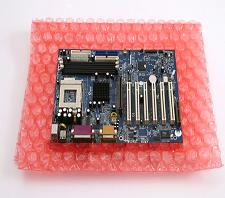
Electrostatic Discharge (ESD) refers to the sudden flow of electricity between two objects with different electrical charges. While this phenomenon is often harmless in daily life, it can be extremely damaging in electronics manufacturing, storage, and transportation.
ESD-sensitive items are electronic components that can be permanently damaged by even a small static discharge that humans cannot feel. These include semiconductors, integrated circuits, printed circuit boards (PCBs), sensors, microchips, and other precision electronic components.
Because modern electronics are becoming smaller and more sensitive, even minimal static electricity can lead to hidden internal damage, product failure, or reduced lifespan. This makes ESD-safe packaging solutions essential in the electronics supply chain.

ESD damage often occurs without visible signs, making it particularly dangerous in logistics and manufacturing environments.
Common causes include:
Friction during handling or packaging operations
Contact with non-ESD-safe materials
Human body static discharge
Movement inside cartons during transportation
Low humidity environments that increase static buildup
Even a discharge as low as 100 volts can damage sensitive microelectronics, while humans typically only feel shocks above 3,000 volts. This gap makes ESD protection critical because damage often goes unnoticed until final product failure occurs.
Effective ESD packaging must provide multiple layers of protection:
Anti-static properties
Materials must either dissipate static charges safely or block external electrostatic fields.
Electrical shielding
Prevent external static fields from reaching sensitive components.
Moisture resistance
Humidity can increase conductivity risks and must be controlled.
Mechanical protection
Shock, vibration, and impact resistance during transport.
Safe handling identification
Clear labeling to ensure proper warehouse and logistics handling.
A complete ESD packaging system usually combines several materials to achieve full protection.
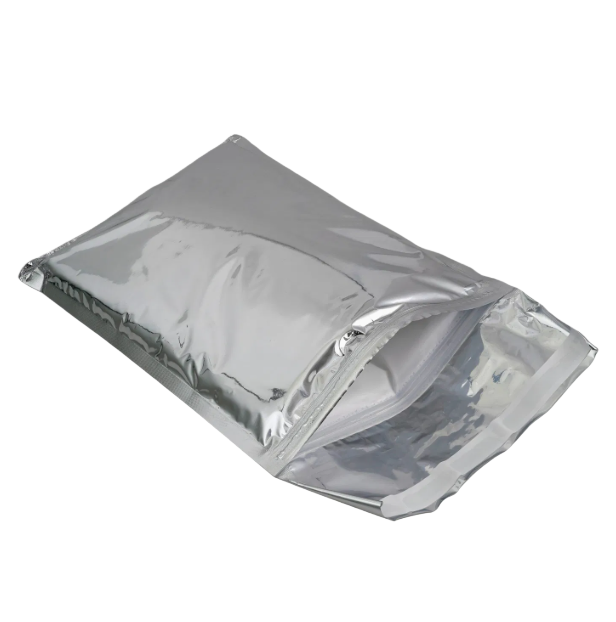
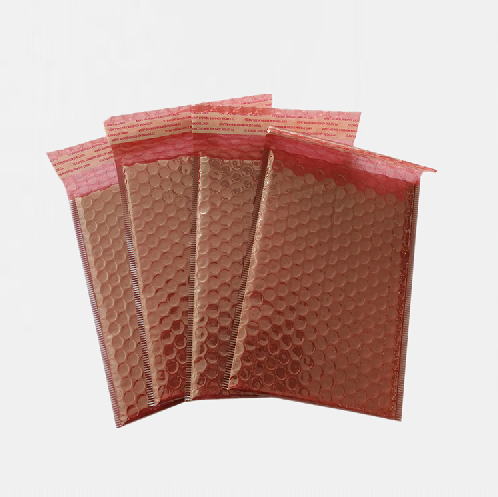
ESD shielding bags are made with metalized layers that block external electrostatic fields.
Provide Faraday cage effect protection
Ideal for transporting sensitive components
Commonly used for ICs, circuit boards, and modules
These are one of the most widely used solutions in electronics logistics.
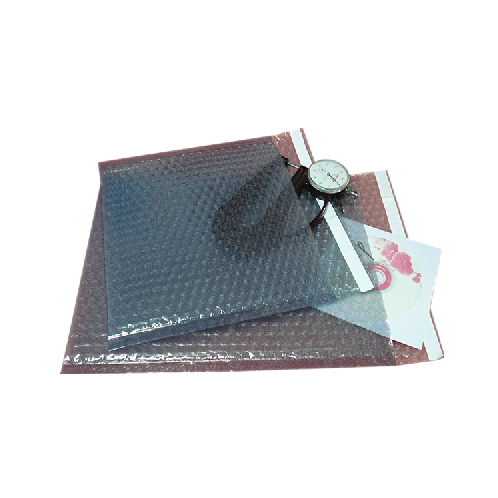
Unlike shielding bags, dissipative bags allow controlled discharge of static electricity.
Prevent sudden charge buildup
Safe for internal component storage
Often used inside controlled factory environments
They are essential for step-by-step assembly and handling processes.
ESD-safe foam materials combine physical protection with static control.
Absorb shocks and vibrations
Prevent static accumulation during movement
Used as inserts in packaging boxes
They are especially useful for fragile electronic assemblies.
ESD blister packaging provides custom-molded protection for precision parts.
Secure positioning of components
Prevents movement during transport
Can be designed for mass production lines
This solution is widely used in automated electronics manufacturing.
Moisture Barrier Bags are critical for protecting electronics from humidity and oxidation.
Prevent moisture ingress
Often used with desiccants and vacuum sealing
Protect long-term stored components
They are especially important for semiconductor and PCB storage.
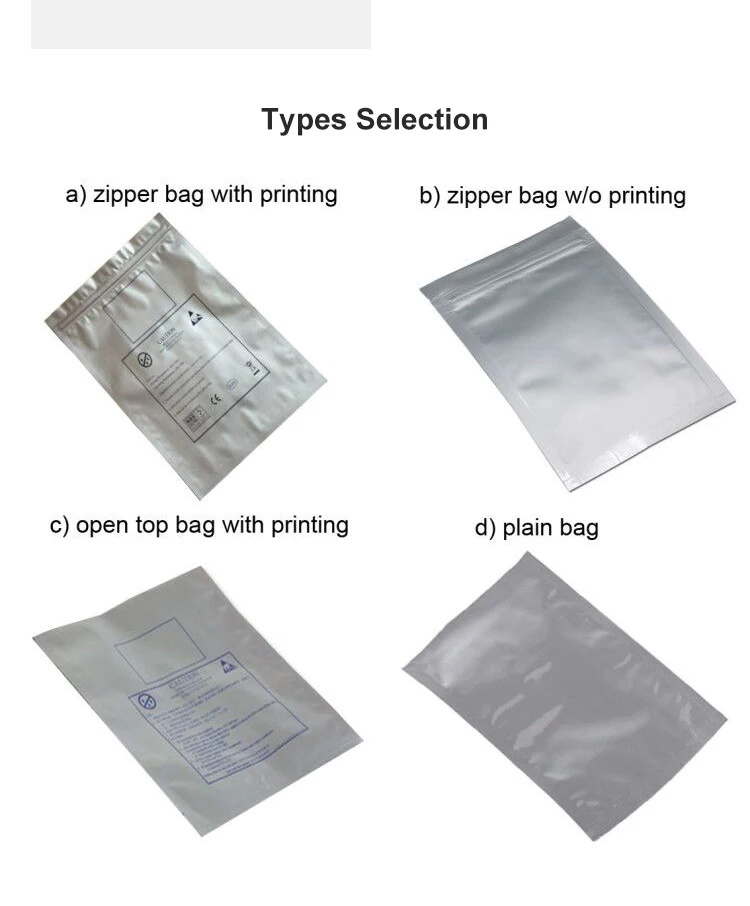
In modern global logistics, electronics are often exposed not only to static risks but also to temperature fluctuations. Therefore, combined protection systems are increasingly important.
Examples include:
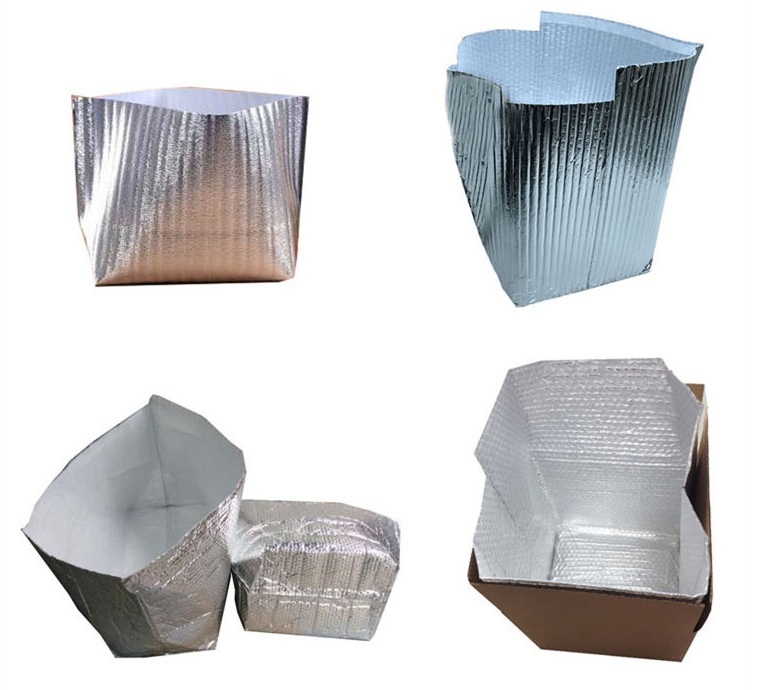
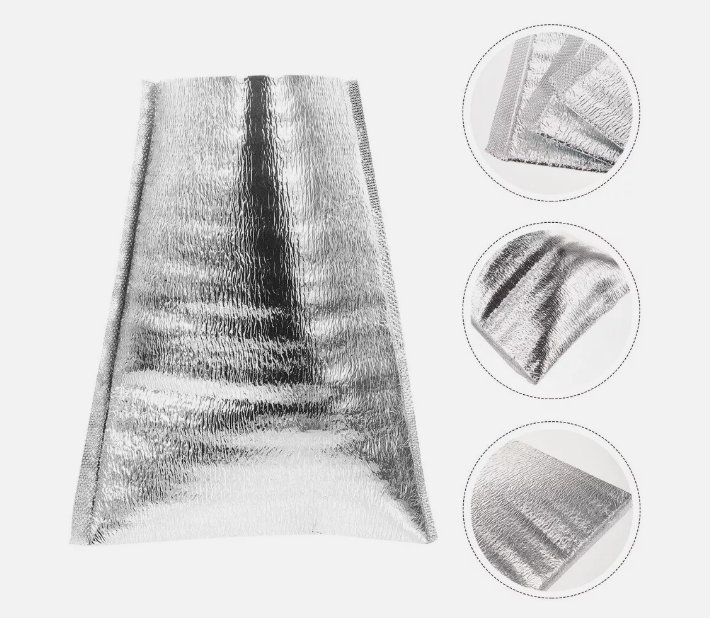
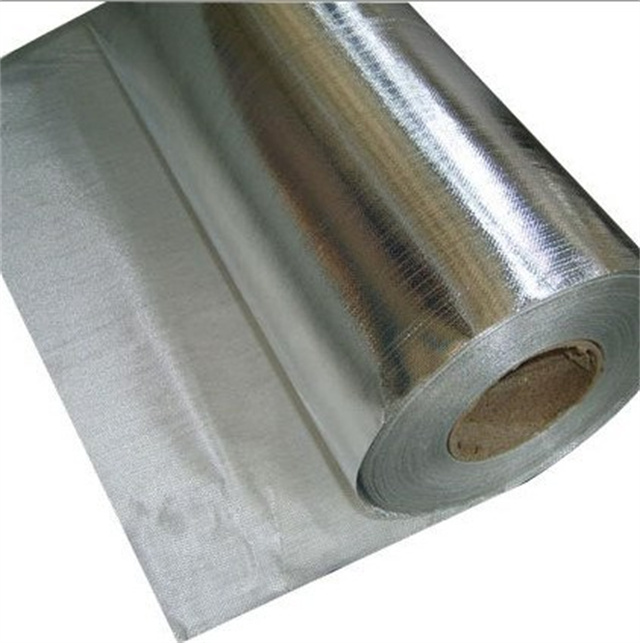
Foil insulated liners with ESD-safe layers
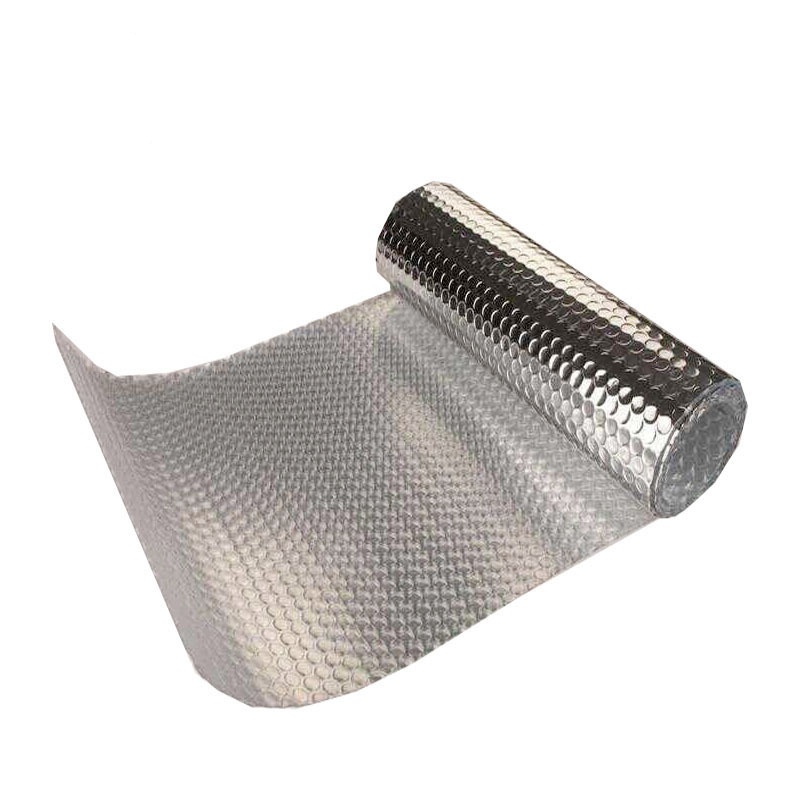
Multi-layer packaging combining thermal + anti-static materials
Insulated shipping liners for electronics with moisture and static protection
These hybrid solutions are especially useful for international shipping, where products face varying climates and long transit times.
Used for wafers, chips, ICs, and microprocessors. Even microscopic static damage can render products unusable.
Smartphones, tablets, displays, and wearable devices require ESD-safe packaging during production and shipping.
Modern vehicles rely heavily on electronic control systems, including ECUs, sensors, and control modules, all of which require ESD protection.
Industrial control boards, automation systems, and precision instruments all depend on stable and safe electronic packaging.
Selecting the correct ESD packaging depends on several factors:
Sensitivity level of the component (ESD classification)
Transportation distance and environment
Storage duration and humidity exposure
Whether additional thermal protection is required
Cost efficiency vs protection level
In many cases, a combination of multiple materials provides the best protection strategy.
In real-world industrial applications, standard packaging is often not enough. That is why custom ESD packaging solutions are essential for manufacturers and distributors.
We provide fully customized solutions, including:
Designed for precision-fit protection of electronic components, ensuring zero movement and maximum safety.
Tailor-made blister trays for mass production lines and automated assembly processes.
We support custom branding, labeling, and packaging design for electronics manufacturers.
ESD packaging can be combined with:
Moisture barrier protection
Thermal insulation layers
Shock-absorbing materials
We support large-scale production for global electronics manufacturers and distributors, ensuring consistent quality and cost efficiency.
Custom ESD packaging not only protects products but also improves operational efficiency across the entire supply chain.
Even with high-quality packaging, proper handling is essential:
Use grounded workstations
Wear ESD-safe gloves and wrist straps
Avoid unnecessary friction during packing
Store materials in controlled humidity environments
Ensure clear ESD labeling on all packages
Train warehouse and logistics personnel
These practices significantly reduce the risk of accidental ESD damage.
ESD-sensitive electronic components require carefully designed packaging systems to prevent hidden and irreversible damage. A complete solution often includes ESD shielding bags, dissipative materials, foam cushioning, blister packaging, and moisture barrier protection.
As electronics become more advanced and miniaturized, the demand for reliable ESD packaging solutions continues to grow across semiconductor, consumer electronics, automotive, and industrial sectors.
Choosing the right packaging strategy ensures product safety, reduces failure rates, and improves overall supply chain reliability.
For customized ESD packaging solutions, including ESD blister packaging, anti-static materials, and multi-layer protective systems, Harmony Print Pack (HPP) provides professional OEM and wholesale services for global clients.

Copyright © 2025 Harmony Print Pack Co., Ltd. All rights reserved. Site Map Powered by