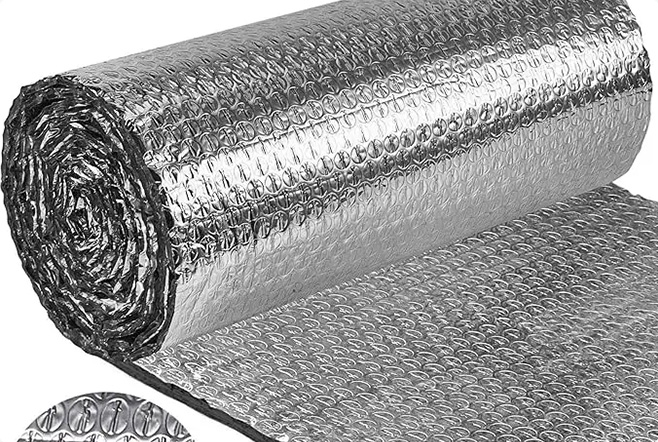
A thermal insulation sheet is a flexible, multi-layer material designed to reduce heat transfer between environments. It is widely used in industries where temperature stability is critical, such as cold chain logistics, food transportation, pharmaceutical shipping, electronics protection, and building insulation.
Unlike rigid insulation boards, thermal insulation sheets are lightweight, flexible, and easy to apply. They are typically manufactured using combinations of aluminum foil, bubble layers, foam layers, or composite materials, allowing them to reflect heat, reduce conduction, and block airflow.
In modern logistics and packaging systems, thermal insulation sheets have become an essential solution for protecting temperature-sensitive products during storage and transportation.
The working principle of a thermal insulation sheet is based on controlling the three main types of heat transfer:
Conduction
Heat transfer through direct contact.
Insulation sheets reduce conduction by using low-conductivity materials such as foam or air bubbles.
Convection
Heat transfer through air movement.
Closed-air bubble layers help trap air and reduce airflow inside packaging systems.
Radiation
Heat transfer through electromagnetic waves.
Aluminum foil layers reflect up to 90–97% of radiant heat, significantly reducing thermal impact.
By combining these mechanisms, thermal insulation sheets create a stable micro-environment that slows down temperature changes and protects sensitive goods.
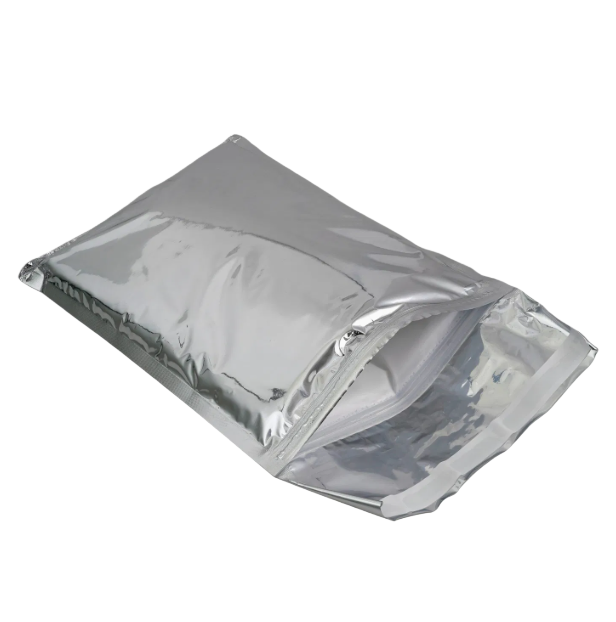
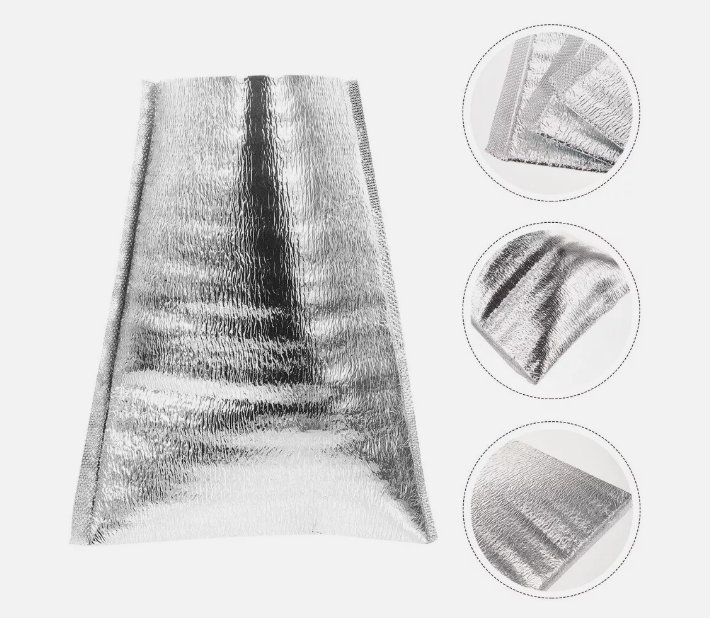
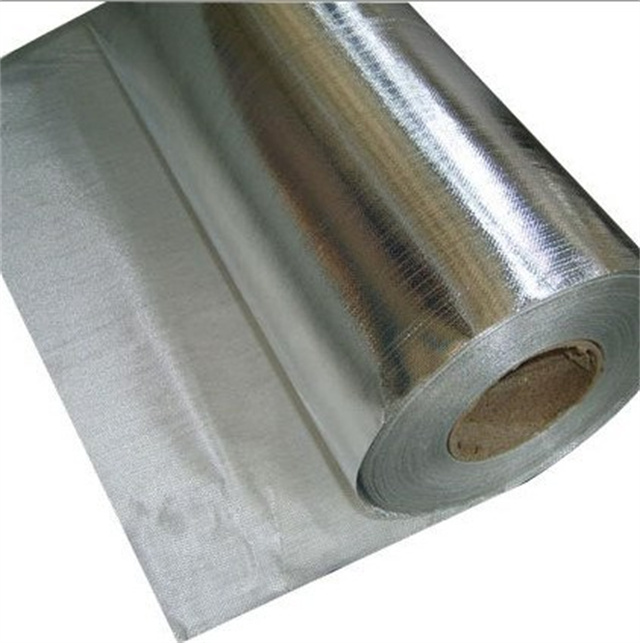
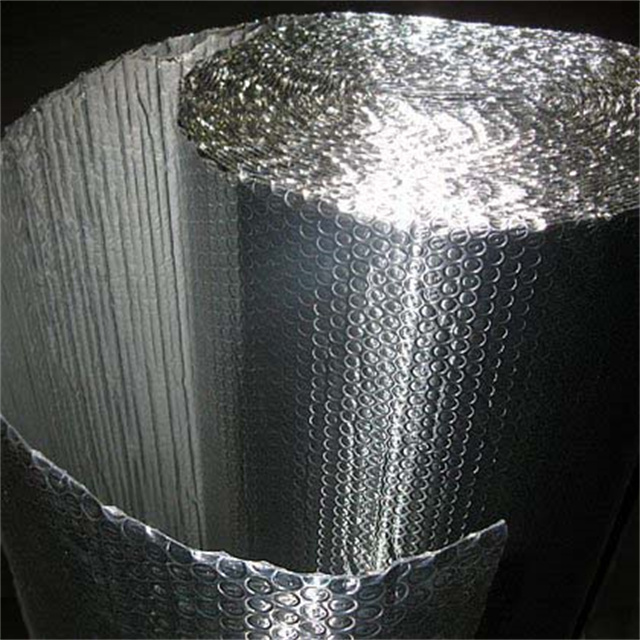
Foil insulation sheets use a reflective aluminum surface to block radiant heat.
High reflectivity (up to 97%)
Excellent moisture barrier
Common in packaging and construction
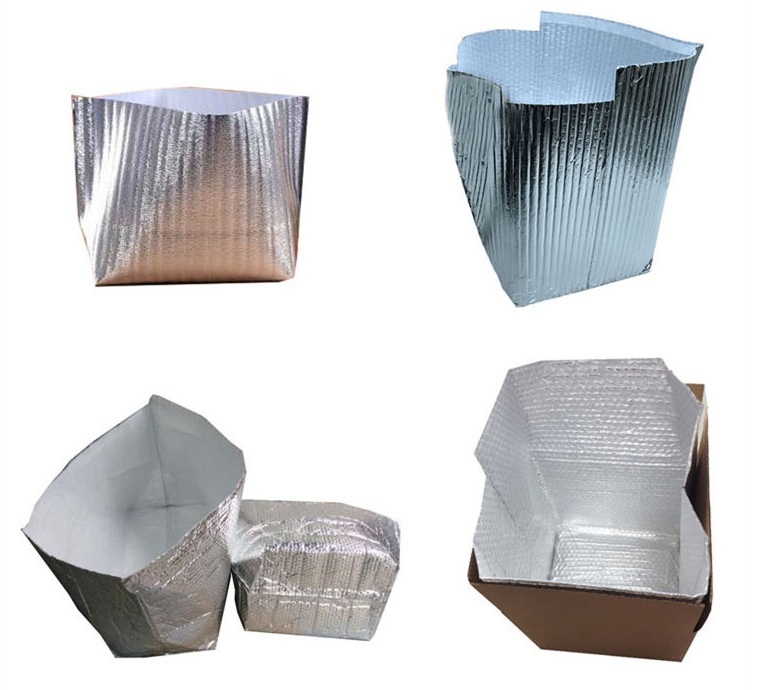
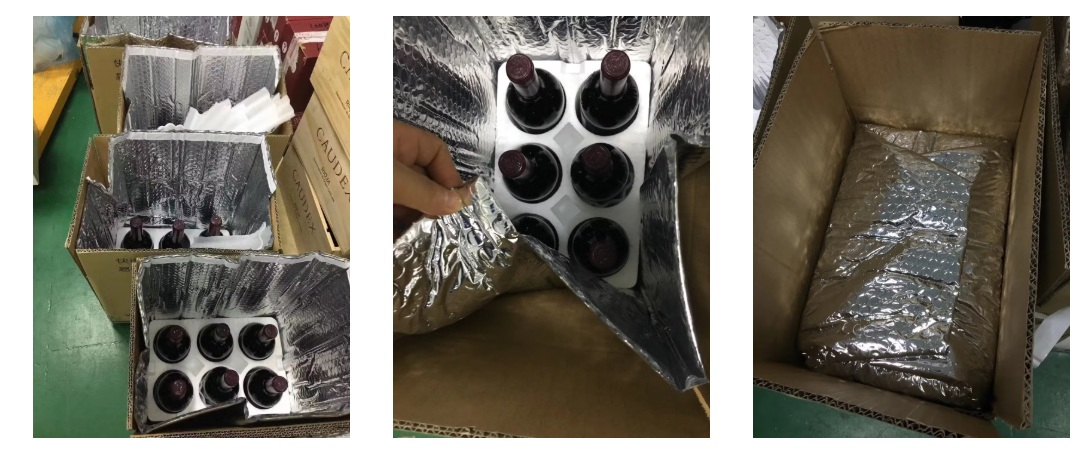
This type is widely used in insulated box liners and cold chain packaging systems.
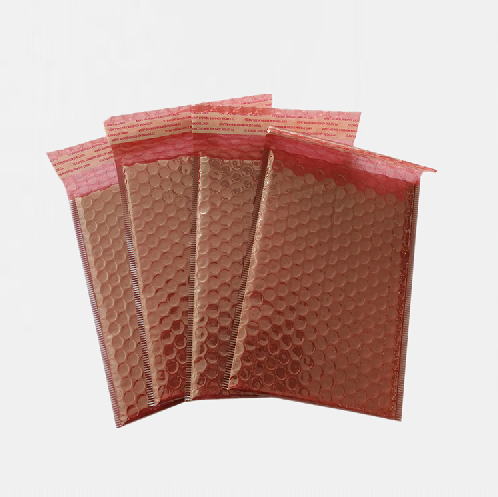
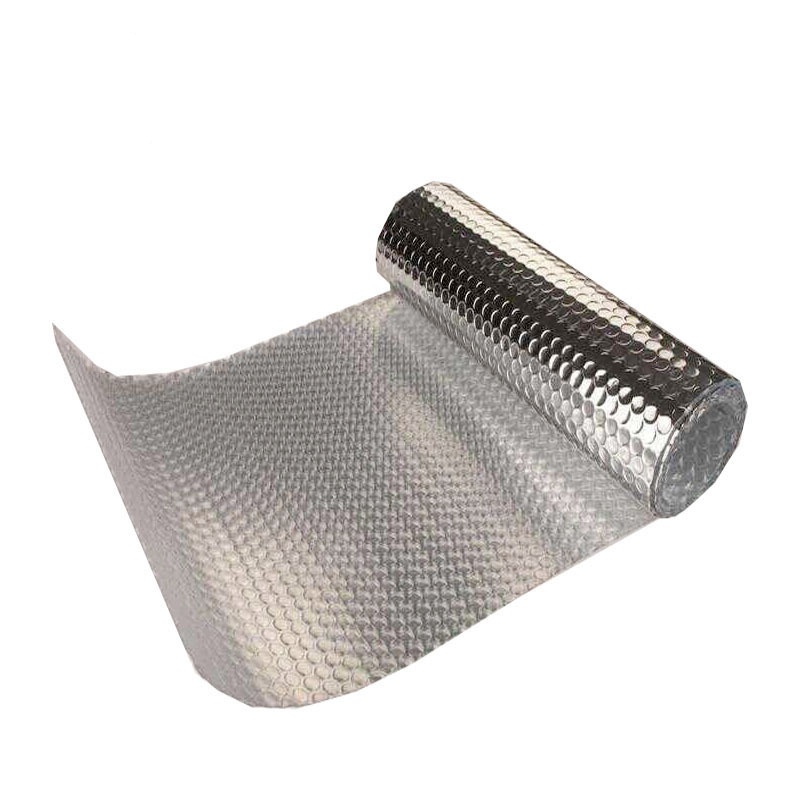
Bubble insulation sheets consist of air-filled bubbles sandwiched between protective layers.
Lightweight and flexible
Strong cushioning performance
Reduces both heat transfer and physical damage
This makes it ideal for insulated bubble box liners and shipping protection materials.
Foam-based insulation sheets provide dense thermal resistance.
Stable temperature control
High compression resistance
Suitable for long-duration insulation
Foam sheets are often used in industrial packaging and protective inserts.
These are advanced insulation materials combining foil, bubble, and foam layers.
Maximum thermal efficiency
Multi-functional protection (heat + shock + moisture)
Customizable structures for different industries
They are commonly used in high-performance cold chain packaging solutions.
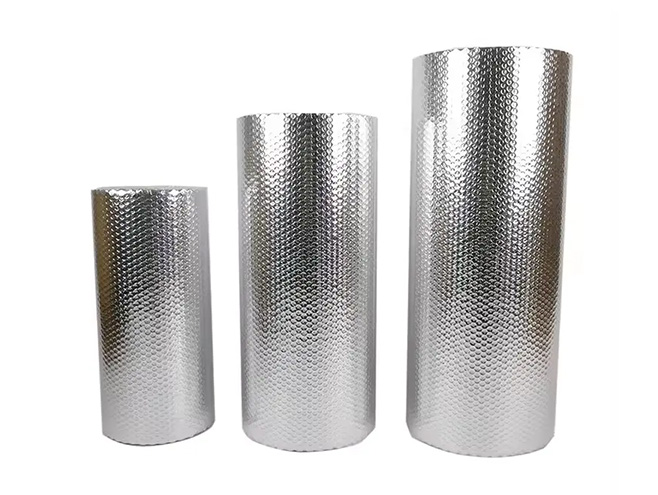
Thermal insulation sheets offer several important benefits:
Lightweight and Flexible
Easy to handle, cut, and apply in different packaging structures.
Space-Saving
Can be compressed or rolled for storage and transportation efficiency.
Moisture and Vapor Resistance
Prevents condensation and protects packaged goods.
Cost-Effective
More economical than rigid insulation materials such as foam boxes.
Versatile Applications
Suitable for packaging, construction, and industrial insulation.
Thermal insulation sheets are widely used in food and pharmaceutical transportation.
Meal kit delivery packaging
Vaccine and medical shipment protection
They help maintain stable temperatures during transit.
Sensitive electronic components require protection from heat and moisture.
Prevent overheating during shipping
Reduce humidity-related damage
Protect circuit boards and semiconductor devices
Thermal insulation sheets are also used in building systems.
Roof and wall insulation
Attic temperature control
Energy efficiency improvement
In industrial applications, thermal insulation sheets are used as:
Protective liners
Custom packaging inserts
Pallet insulation layers
Compared to rigid insulation boards, thermal insulation sheets offer:
Greater flexibility and adaptability
Lower transportation cost
Easier installation
Better suitability for packaging applications
Rigid materials may provide higher structural strength, but they lack the versatility required for modern logistics and shipping systems.
When selecting a thermal insulation sheet, several factors should be considered:
Thicker sheets generally provide longer insulation duration.
Foil for radiant heat protection
Bubble for cushioning
Foam for stable insulation
Different applications require different thermal performance levels (24h, 48h, 72h+).
Cold chain shipping
Industrial packaging
Construction insulation
Size, structure, and material combinations can be customized based on project needs.
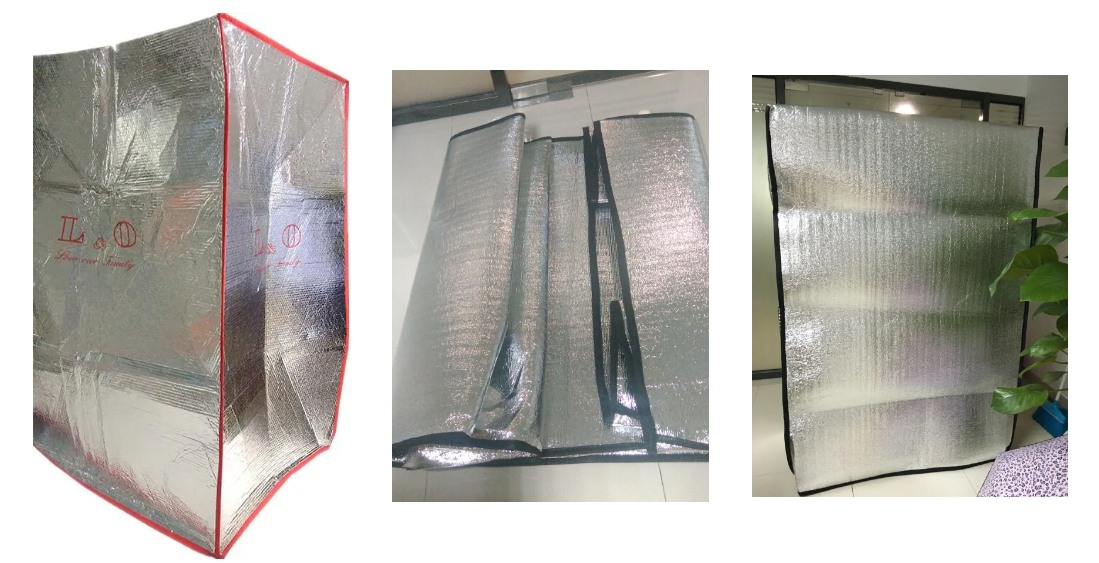
In real-world industrial applications, standard insulation sheets are often not enough. That is why custom thermal insulation solutions are essential.
We provide fully customized solutions based on specific industry requirements, including:
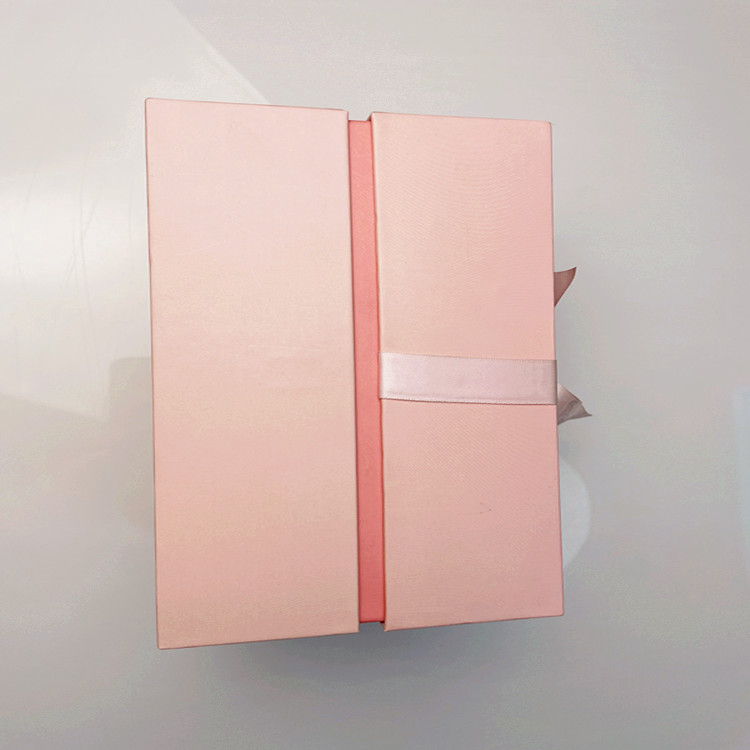
Thermal insulation sheets can be produced in any dimension to fit cartons, pallets, or specialized packaging systems.
Companies can customize packaging with:
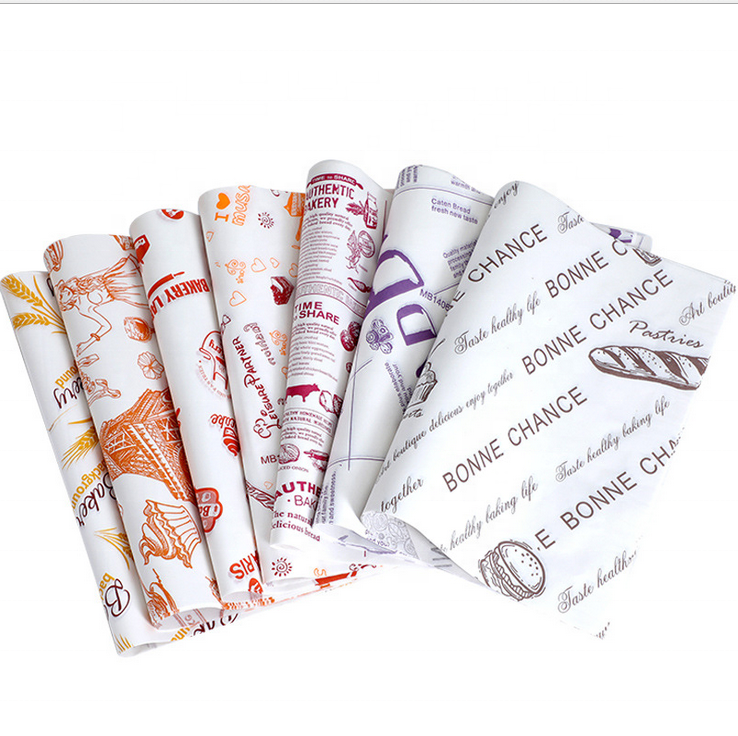
Logo printing
Private labeling
Branded packaging solutions
Different industries require different insulation performance:
Food industry: short-term cooling for fresh and frozen goods
Pharmaceutical industry: strict temperature control for cold chain logistics
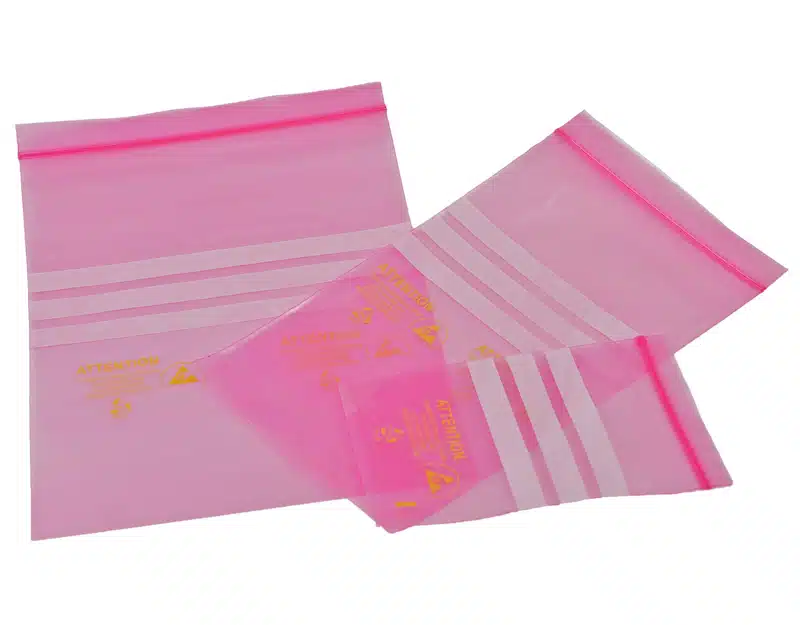
Electronics industry: combined thermal + anti-static protection
Thermal insulation sheets can be integrated into:
Insulated box liners
Thermal shipping bags
Multi-layer packaging systems
For large-scale operations, we support bulk production and wholesale supply, ensuring stable quality and cost efficiency for global customers.
Custom solutions help businesses reduce logistics risks, improve product protection, and optimize overall supply chain performance.
A thermal insulation sheet is a highly versatile material that plays a critical role in modern packaging, logistics, and industrial applications. By combining foil, foam, and bubble structures, it effectively reduces heat transfer and protects temperature-sensitive products.
From food and pharmaceutical cold chain shipping to electronics protection and industrial insulation, thermal insulation sheets provide a reliable, lightweight, and cost-efficient solution.
As global logistics continues to evolve, demand for flexible and high-performance insulation materials will continue to grow.

Copyright © 2025 Harmony Print Pack Co., Ltd. All rights reserved. Site Map Powered by