As global supply chains continue to expand, maintaining stable temperatures during transportation has become increasingly important. Many products today are highly sensitive to temperature fluctuations, including fresh food, pharmaceuticals, biologics, cosmetics, and electronic components. Without proper protection, exposure to excessive heat, cold, or humidity can result in product damage, reduced shelf life, or complete product failure.
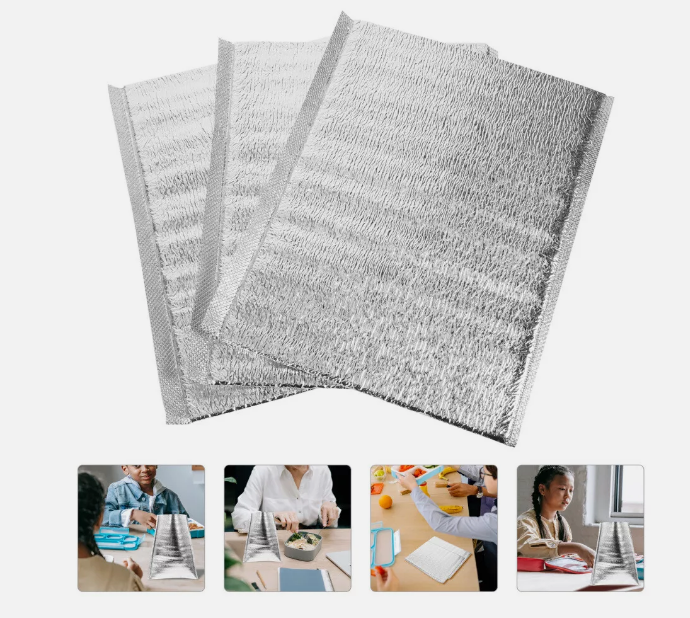
This growing demand has driven the rapid development of thermal insulated packaging solutions. From insulated box liners to pallet covers and vacuum insulated panels, businesses now have access to a wide range of packaging technologies designed to protect products throughout the shipping process.
Industries such as food delivery, pharmaceutical cold chain logistics, e-commerce, and electronics manufacturing rely heavily on thermal insulated packaging to ensure product safety and quality.
In this article, we explore the major types of thermal insulated packaging used for shipping temperature-sensitive products and how businesses can choose the right solution for their applications.
Thermal insulated packaging refers to packaging materials and systems specifically designed to reduce heat transfer between the inside and outside environment during transportation or storage.
Its primary purpose is to maintain stable temperatures and protect products from thermal damage.
Thermal insulated packaging works by controlling the three major forms of heat transfer:
Conduction
Heat transfer through direct contact between materials.
Convection
Heat transfer caused by air movement.
Radiant Heat
Heat transferred through electromagnetic radiation.
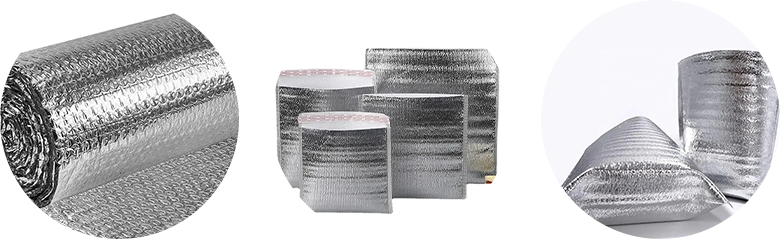
Modern insulated packaging materials use combinations of reflective foil, foam, air bubbles, and advanced insulation layers to minimize these heat transfer mechanisms.
This helps preserve the integrity of temperature-sensitive products throughout the logistics process.
Effective thermal insulated packaging typically includes several important characteristics:
Temperature Retention
Maintains cold, chilled, or controlled temperatures for extended periods.
Lightweight Structure
Reduces shipping costs compared to rigid insulated containers.
Moisture Resistance
Prevents condensation and humidity damage.
Transportation Durability
Protects products during handling and shipping.
Space Efficiency
Flexible materials save warehouse storage space.
Sustainability Options
Many modern insulated packaging materials are recyclable or reusable.
These features make thermal insulated packaging ideal for both small parcel shipping and large-scale cold chain logistics.
|
Packaging Type |
Main Materials |
Key Features |
Common Applications |
|
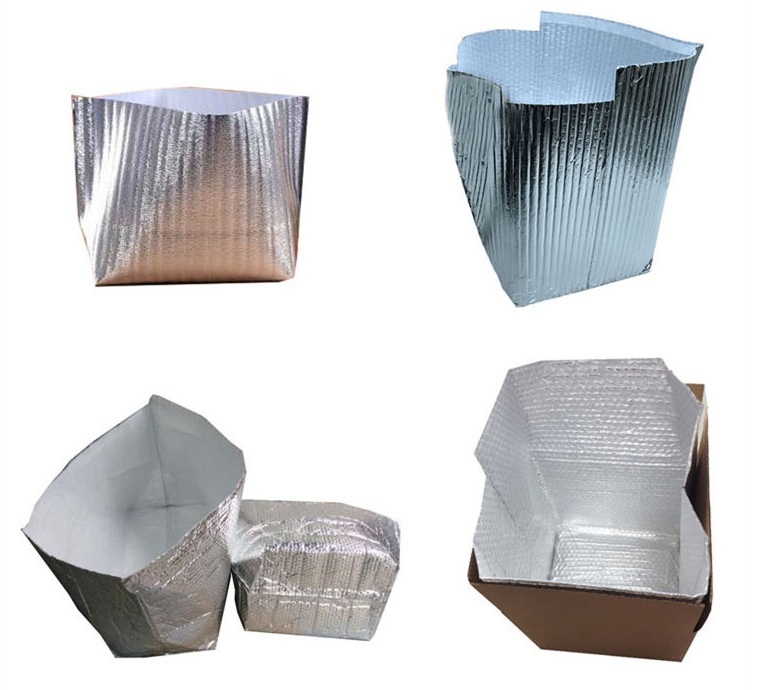
Insulated Box Liners |
Foil + Bubble / Foam |
Lightweight, foldable, strong thermal protection |
Food delivery, pharmaceuticals |
|
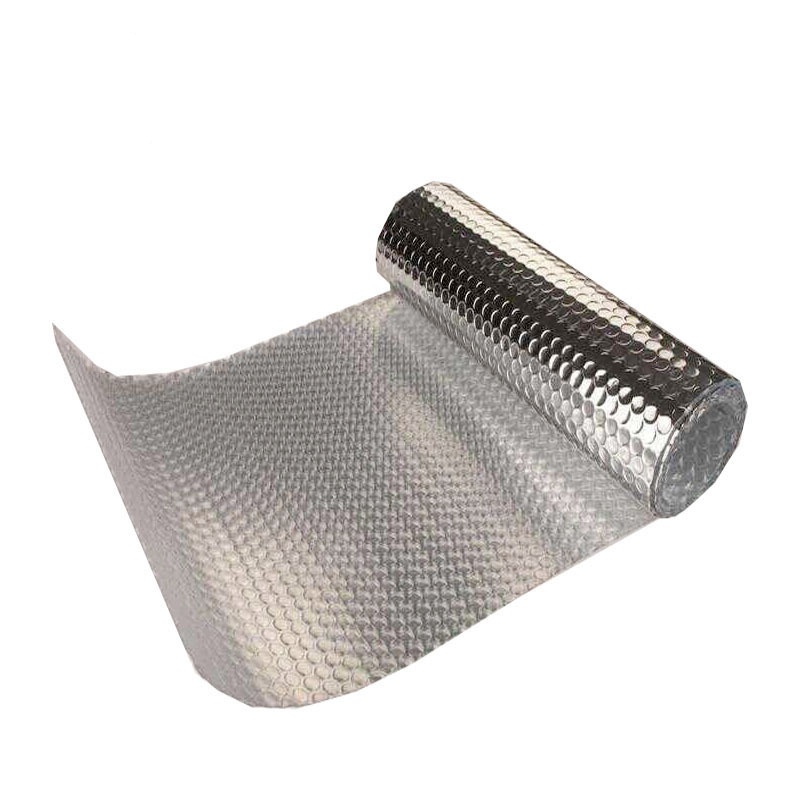
Foil Bubble Insulation |
Reflective foil + air bubbles |
Heat reflection + cushioning |
Electronics, industrial packaging |
|
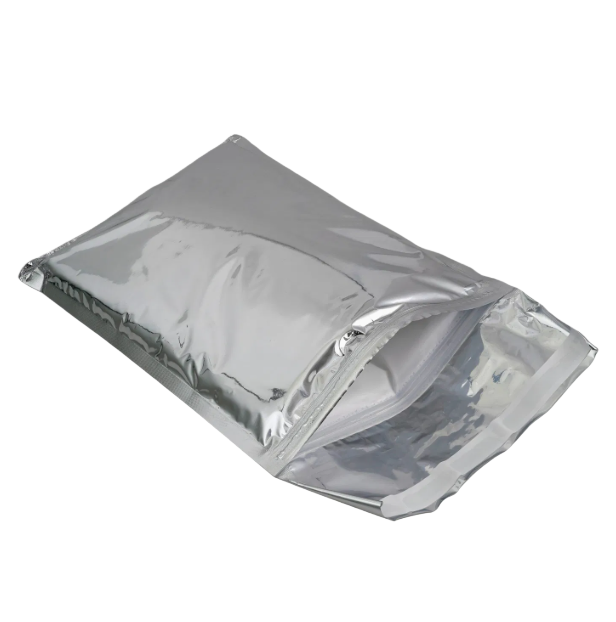
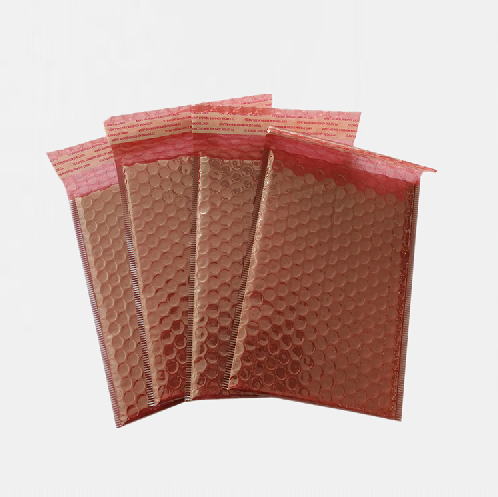
Insulated Bubble Mailers |
Bubble insulation + outer mailer |
Lightweight small parcel protection |
Cosmetics, meal kits |
|
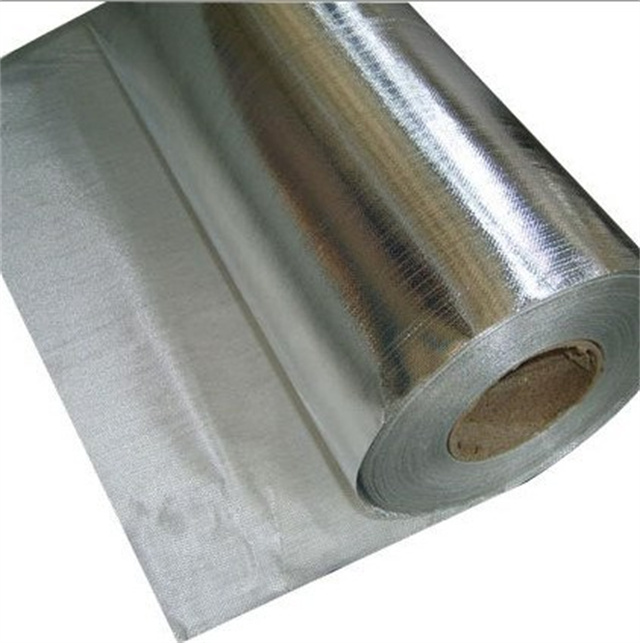
Thermal Pallet Covers |
Multi-layer foil fabric |
Protects palletized cargo |
Cold chain logistics |
|
Foam Insulated Packaging |
EPS / EPE / PU foam |
Long-duration insulation |
Frozen food, vaccines |
|
Vacuum Insulated Panels (VIP) |
Vacuum core panels |
Ultra-high insulation performance |
Pharmaceutical shipping |
|
Flexible insulated materials |
Portable and reusable |
Grocery and retail delivery |
|
Industry |
Common Temperature-Sensitive Products |
Recommended Packaging Solutions |
|
Food & Beverage |
Seafood, frozen food, meal kits, dairy |
Insulated box liners, insulated bags, foil bubble liners |
|
Pharmaceutical & Medical |
Vaccines, biologics, lab samples |
VIP packaging, pallet covers, insulated shipping liners |
|
Electronics |
Chips, sensors, precision devices |
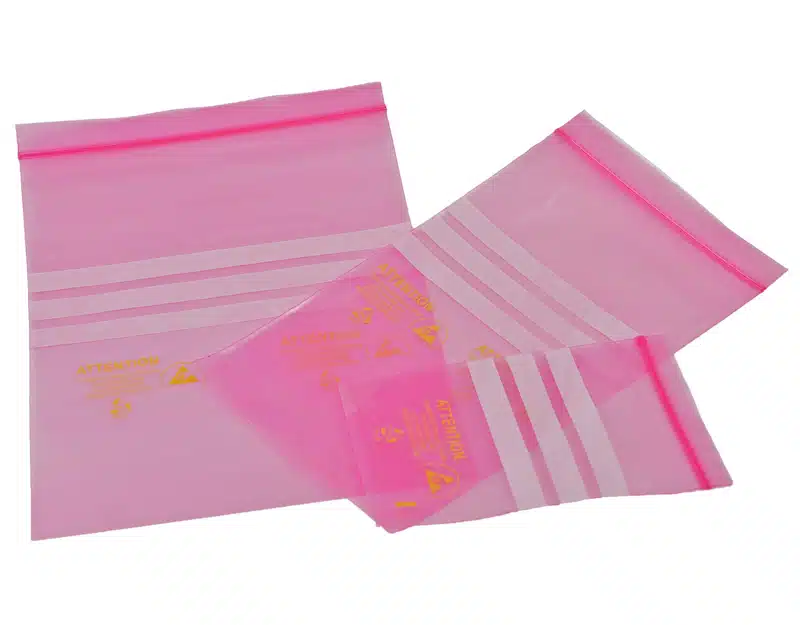
Foil insulation, moisture barrier bags, ESD thermal packaging |
|
E-commerce & Retail |
Subscription boxes, specialty products |
Insulated mailers, custom thermal liners |
Choosing the best insulated packaging solution depends on several factors:
Required Temperature Range
Frozen, chilled, or ambient protection levels vary.
Shipping Duration
24-hour, 48-hour, or 72+ hour shipping requirements.
Product Sensitivity
Some products require stricter thermal control than others.
Transportation Environment
Climate conditions and shipping methods affect insulation needs.
Packaging Cost
Balancing thermal performance with budget considerations.
Sustainability Goals
Many businesses now prefer recyclable or reusable insulation materials.
Standard packaging solutions may not fully meet industrial shipping requirements. That is why many businesses choose customized thermal packaging systems.
Custom Solutions Include:
Custom insulated box liners
Custom pallet covers
Branded thermal packaging
OEM and wholesale manufacturing
Industry-specific insulation structures
Benefits:
Better product protection
Improved logistics efficiency
Reduced shipping costs
Enhanced brand image
Custom packaging can also integrate:
Moisture barriers
ESD protection
Temperature monitoring systems
For businesses operating in cold chain logistics, custom thermal packaging provides significant operational advantages.
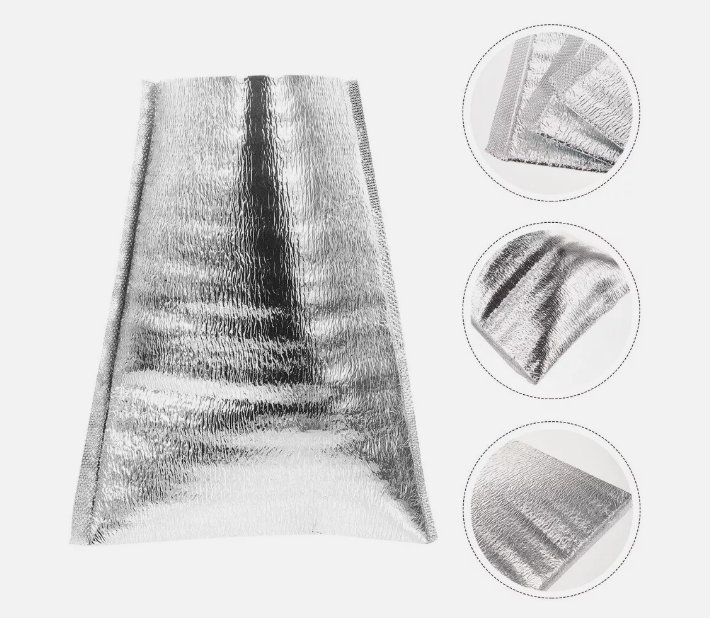
Thermal insulated packaging plays a critical role in protecting temperature-sensitive products during storage and transportation. From insulated box liners and foil bubble insulation to pallet covers and vacuum insulated panels, businesses have many options available depending on their industry and shipping requirements.
Selecting the right thermal packaging solution helps improve product safety, reduce waste, and enhance supply chain efficiency.
As global cold chain logistics continues to expand, demand for high-performance insulated packaging solutions will continue to grow across food, pharmaceutical, electronics, and retail industries.
For customized thermal insulated packaging solutions, including insulated box liners, insulated pallet covers, thermal mailers, and flexible cold chain packaging systems, Harmony Print Pack (HPP) provides professional OEM and wholesale services for global customers.

Copyright © 2025 Harmony Print Pack Co., Ltd. All rights reserved. Site Map Powered by