With the rapid growth of electronics manufacturing, semiconductor production, and precision assembly, protecting sensitive components from electrostatic discharge (ESD) has become a critical requirement. Even a small static shock—often invisible to the human eye—can damage or destroy electronic parts, leading to product failure, reduced lifespan, or costly recalls.
That is why understanding ESD packaging types is essential for manufacturers, distributors, and logistics providers. This article provides a comprehensive overview of ESD packaging, how it works, and the different types available, helping you choose the right ESD protection packaging for your specific application.
Electrostatic discharge (ESD) is the sudden flow of electricity between two objects with different electrical potentials. In electronics, ESD can damage integrated circuits, PCBs, sensors, and semiconductor devices—sometimes immediately, and sometimes through latent defects that appear later in use.
ESD packaging is specially designed packaging that prevents static electricity buildup, dissipates charges safely, or shields products from external static fields. Its main purpose is to protect ESD-sensitive components during:
Industries that rely heavily on ESD-safe packaging include:
Using the correct ESD packaging type significantly reduces failure rates and improves overall product reliability.
To understand different ESD packaging types, it’s important to know how ESD protection functions.
Anti-static: Reduces static generation
Dissipative: Slowly discharges static electricity to ground
Conductive: Rapidly transfers static charge away
Anti-static materials: Prevent static buildup on surfaces
Static dissipative materials: Control the rate of charge flow
Conductive materials: Provide the highest level of charge transfer
High-quality ESD protection packaging often combines more than one of these properties to ensure comprehensive protection.
Anti-static packaging is designed to prevent static electricity from building up on the packaging surface. It does not provide full shielding but is suitable for less sensitive components or short-term handling.

Anti-static poly bags
Anti-static films and wraps
ESD safe packaging foam
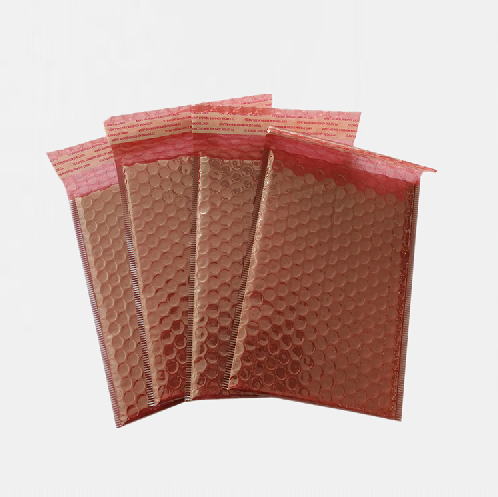
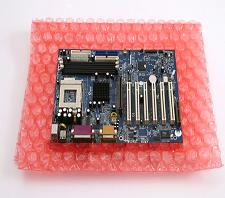
Anti-static bubble wrap
These solutions are widely used inside ESD-controlled environments, such as cleanrooms and assembly lines.
In-process handling
Internal transport
Temporary storage
While anti-static packaging is cost-effective, it is not recommended for high-risk shipping without additional shielding layers.
Static shielding packaging offers higher protection by blocking external static fields and preventing charge penetration.

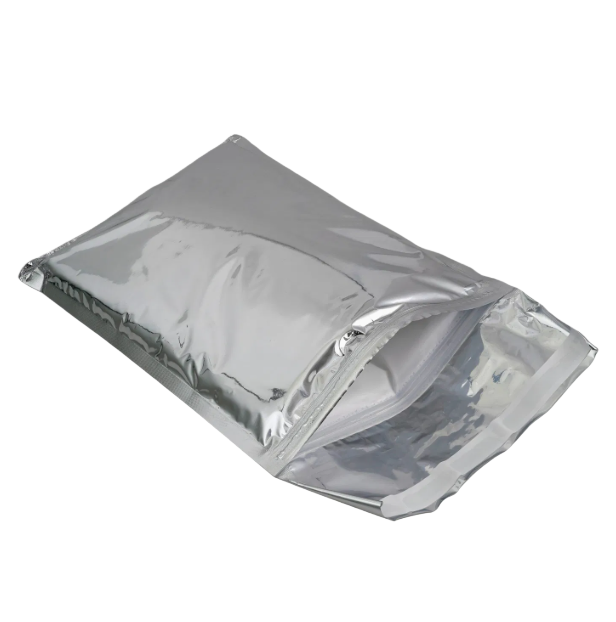
Metal-in shielding bags
Metal-out shielding bags
Moisture barrier bag ESD packaging
Moisture barrier bags (MBBs) combine ESD shielding with moisture protection, making them ideal for long-distance shipping and vacuum-sealed electronics.
Shipping high-value ICs and PCBs
Exporting electronics overseas
Long-term storage in uncontrolled environments
Shielding packaging is often considered the gold standard for protecting highly sensitive electronic components.
For repeated handling, storage, and logistics, conductive and dissipative packaging is commonly used.

Conductive bins and totes
ESD rigid packaging containers
Rigid ESD trays are widely used in semiconductor and SMT production lines to hold components securely while preventing electrostatic damage.
High durability and reusability
Consistent protection levels
Stackable and automation-friendly
Conductive and dissipative packaging is ideal for closed-loop supply chains and high-volume manufacturing.
Understanding the difference between rigid and flexible ESD packaging helps optimize cost and protection.
Includes:
Shielding bags
Anti-static bags
Films and wraps
ESD flexible packaging is lightweight, cost-effective, and ideal for shipping and short-term protection.
Includes:
Trays
Clamshells
Blister packs
Products like custom ESD clamshell packaging and ESD blister packaging provide precise component positioning and mechanical protection, making them suitable for fragile or irregularly shaped parts.
Use flexible packaging for shipping and bulk storage
Use rigid packaging for production lines and reusable logistics
Selecting the correct ESD packaging depends on several factors.
Component sensitivity
Highly sensitive ICs require shielding or conductive packaging.
Usage environment
ESD-controlled vs. uncontrolled areas.
Transportation needs
Domestic vs. international shipping.
Reusability requirements
One-time use vs. reusable trays and containers.
Cost and efficiency
Balancing protection level with budget constraints.
For example:
ESD blister packaging is ideal for automated assembly
ESD packaging trays are preferred for high-volume semiconductor production
Moisture barrier bag ESD packaging is essential for long-distance export

Compliance with international ESD standards ensures product safety and customer confidence.
ANSI/ESD S541 – Packaging requirements for ESD-sensitive items
IEC 61340 series – International ESD control standards
RoHS and REACH – Environmental compliance
Working with a professional ESD packaging manufacturer ensures materials and products meet these standards consistently.
Understanding different ESD packaging types is essential for protecting sensitive electronic components throughout their lifecycle. From anti-static and shielding bags to ESD rigid packaging, trays, foam, and customized clamshell solutions, each packaging type serves a specific purpose in preventing electrostatic damage.
Choosing the right ESD protection packaging not only reduces product failure and returns but also enhances operational efficiency and brand credibility. Whether you need ESD flexible packaging for shipping or precision-engineered rigid solutions for production, a well-planned ESD packaging strategy is a vital part of modern electronics manufacturing.
With over 30 years of production experience, full-set equipment, and skilled workers, Harmony Print Pack (HPP) is a leading packaging manufacturer in China providing one-stop solutions for printing and packaging. From ESD packaging trays and ESD safe packaging foam to custom ESD clamshell packaging, ESD blister packaging, and moisture barrier bag ESD packaging, HPP delivers reliable, compliant, and customized ESD packaging solutions for global electronics brands and manufacturers.

Copyright © 2025 Harmony Print Pack Co., Ltd. All rights reserved. Site Map Powered by