Custom packaging plays a decisive role in modern product marketing and protection. From retail shelves to e-commerce delivery, a well-designed paper box enhances brand image, improves customer experience, and ensures safe transportation. However, many businesses ordering packaging for the first time are unfamiliar with how a custom paper box is actually produced.
Understanding the custom paper box manufacturing process helps buyers control quality, optimize costs, and communicate effectively with suppliers. This article explains the complete workflow used by professional custom paper box manufacturers, guiding you through each stage—from concept development to final shipment.
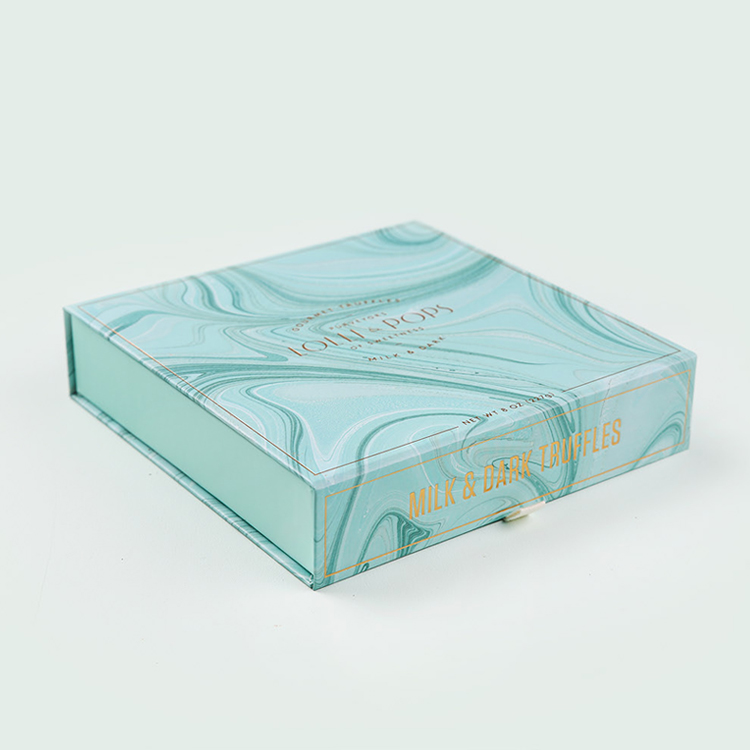
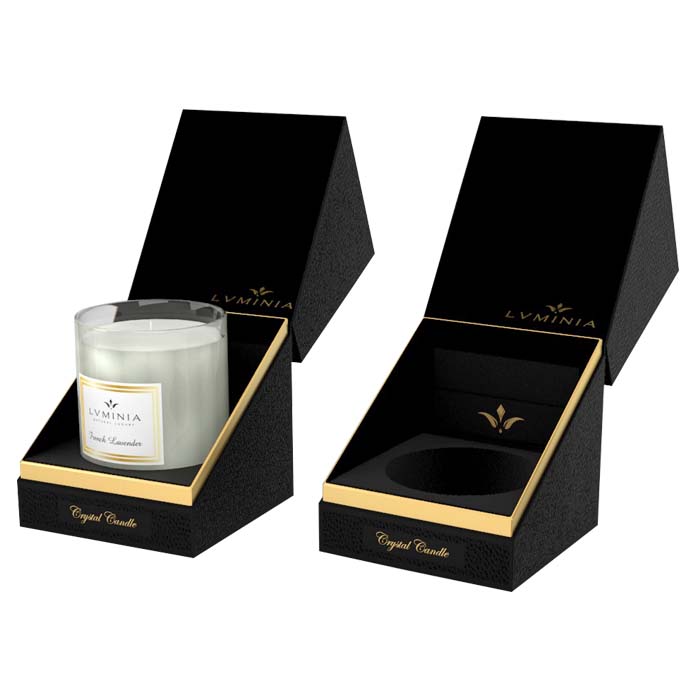
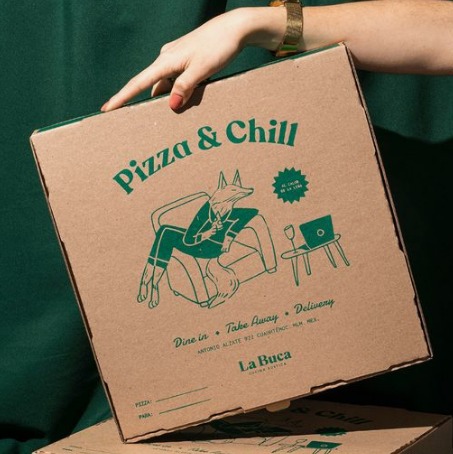
Today’s brands require packaging that goes beyond simple containment. Whether it is a premium gift paper box, food packaging such as a hamburger paper box, or a luxury jewelry paper box, manufacturing precision directly affects product presentation and durability.
Knowing how boxes are manufactured allows businesses to:
Working with an experienced custom paper box factory becomes significantly easier when you understand each production step.
Every custom packaging project begins with requirement analysis.
For example:
At this stage, the packaging supplier acts as a paper box creator, helping customers transform ideas into practical packaging concepts.
After defining requirements, engineers design the box structure.
Structural engineering ensures the box maintains strength while minimizing material usage.
For instance:
Material choice significantly impacts packaging performance and cost.
A reliable kraft paper box manufacturer helps determine appropriate GSM (paper thickness) based on product weight and application.
Examples include:
Eco-friendly kraft materials are increasingly popular due to recyclability and natural aesthetics.
Once structure and materials are finalized, graphic design begins.
Design files are converted into printing-ready formats using CMYK color systems to ensure accuracy during production.
Before mass printing, digital or physical proofs are created for customer approval. This stage prevents costly mistakes later in manufacturing.
Printing transforms plain paperboard into branded packaging.
Offset printing – High-quality images for premium packaging
Flexographic printing – Efficient for large-volume production
Digital printing – Ideal for small batches or rapid customization
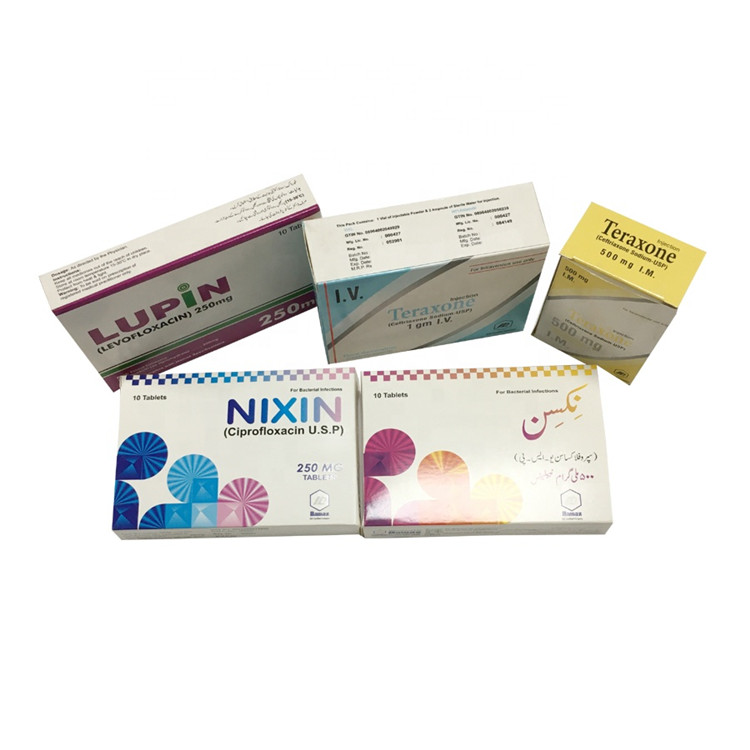
Products like gift paper boxes or jewelry paper boxes often require precise color reproduction to maintain brand consistency.
Professional custom paper box manufacturers conduct continuous quality checks during printing to ensure uniform color across batches.
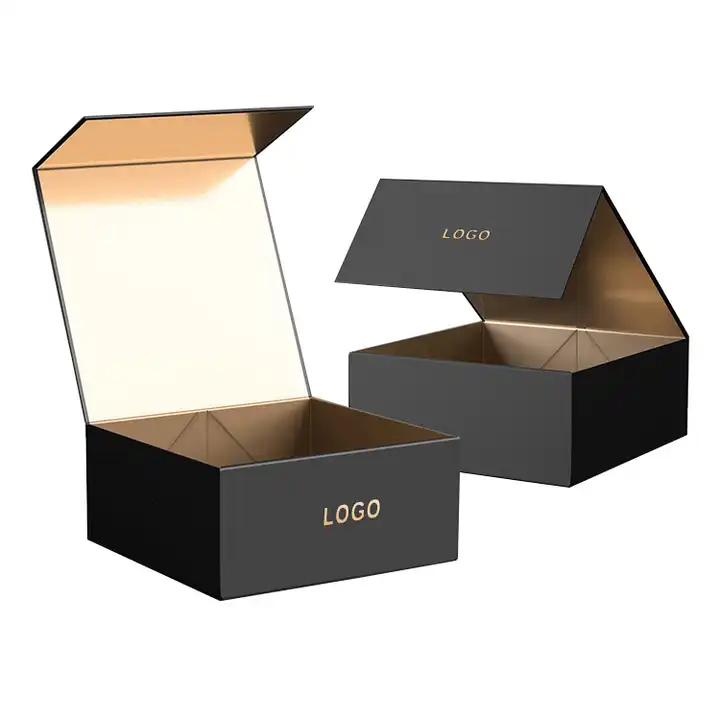
Surface finishing enhances both appearance and durability.
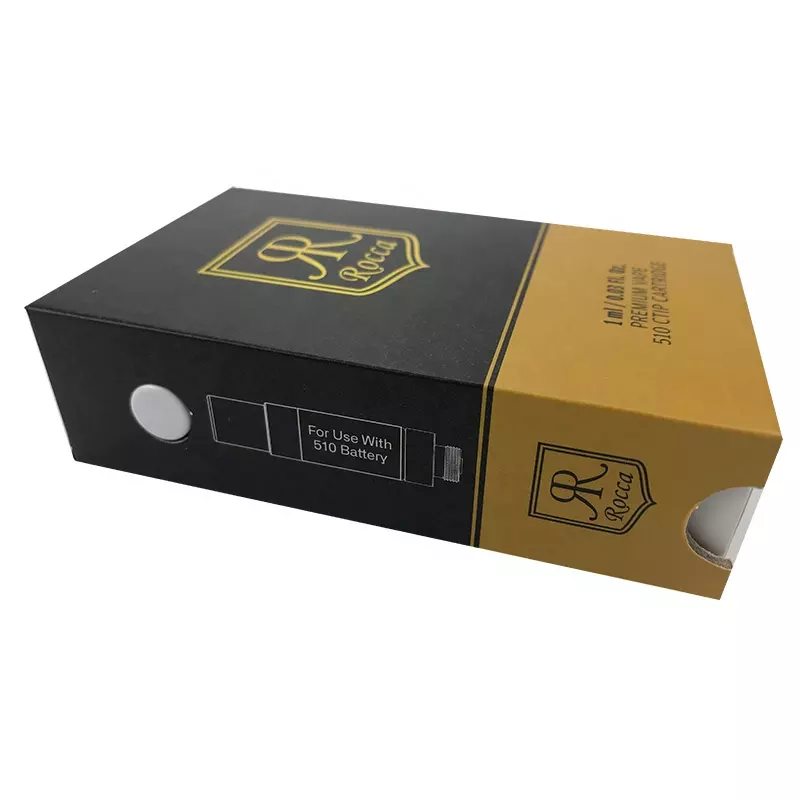
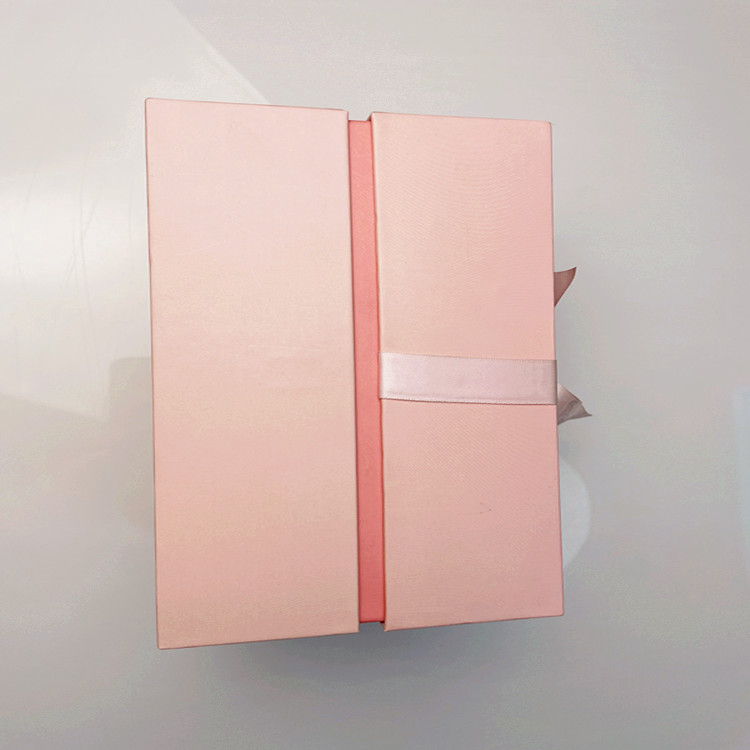
Luxury packaging such as gift wrapping paper boxes frequently uses embossing or foil stamping to elevate visual appeal.
Finishing treatments also improve resistance to moisture, scratches, and wear during transportation.
After printing and finishing, large printed sheets move to die cutting.
Custom steel molds cut box shapes precisely
Creasing lines allow accurate folding
Excess material is removed
Precision at this stage determines how easily boxes fold and assemble. Poor die cutting can cause structural weakness or misalignment.
This step ensures consistent dimensions for products ranging from hamburger paper boxes to premium retail packaging.
Next comes the transformation from flat sheets into functional packaging.
Automatic folding and gluing
Manual assembly for complex structures
Insert or divider installation
Structural reinforcement
Food packaging boxes such as hot dog paper boxes may require specialized adhesives compliant with food safety standards.
Automation improves efficiency, while manual assembly is used for luxury or complex box designs.
Quality assurance is essential before shipment.
Material strength testing
Print clarity verification
Dimension accuracy checks
Adhesion and folding performance testing
A professional custom paper box factory follows strict quality control protocols to ensure every box meets client specifications.
Consistent inspection reduces packaging defects and protects brand reputation.
Once approved, boxes are prepared for delivery.
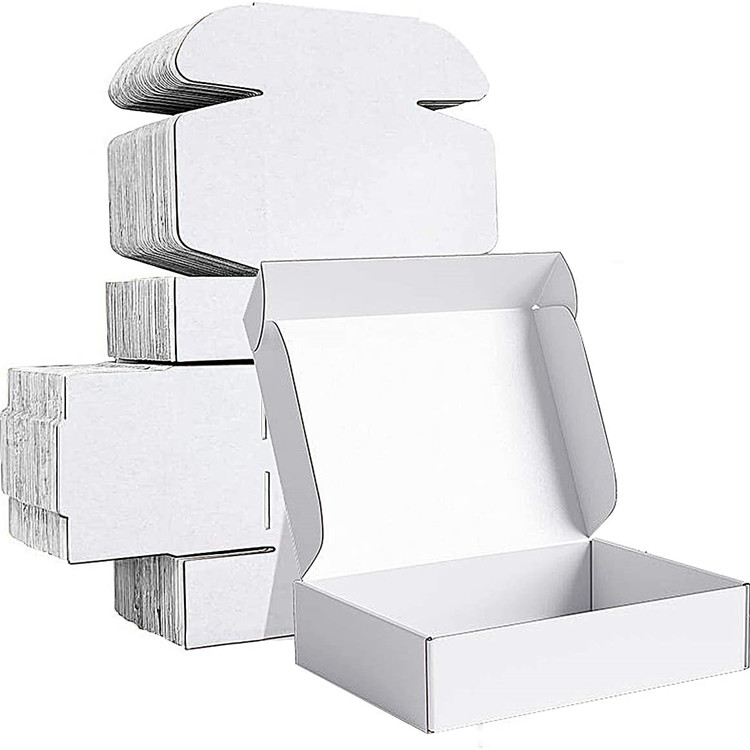
Flat-packed boxes to save shipping space
Pre-assembled packaging for immediate use
Export packaging includes moisture protection and reinforced cartons to prevent damage during international transport.
Efficient logistics management ensures timely delivery, especially for large-volume orders.
The manufacturing of a custom paper box is a highly coordinated process involving design expertise, material science, precision machinery, and strict quality control. From requirement analysis and structural engineering to printing, finishing, and assembly, each step contributes to packaging performance and brand presentation.
Whether producing a custom kraft paper box, a food-grade dessert paper box, or an elegant jewelry paper box, working with an experienced manufacturer ensures reliable results and long-term value.
With over 30 years of production experience, advanced machinery, and complete assembly lines, Harmony Print Pack (HPP) is a trusted global custom paper box manufacturer and kraft paper box manufacturer providing one-stop packaging solutions. As a professional paper box creator, HPP supports businesses worldwide with high-quality customized packaging—from gift paper boxes and hamburger paper boxes to fully tailored retail and food packaging solutions—helping brands bring their packaging vision to life efficiently and professionally.

Copyright © 2025 Harmony Print Pack Co., Ltd. All rights reserved. Site Map Powered by