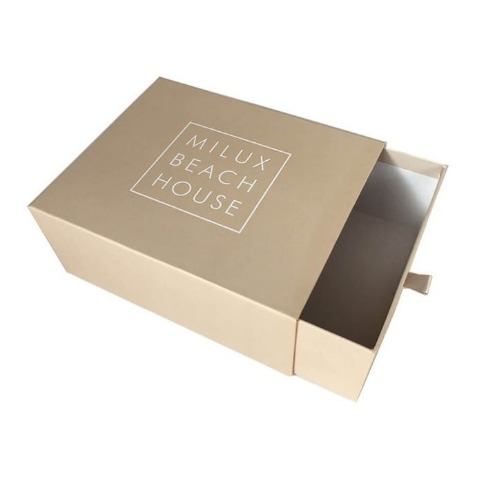
In today’s competitive market, packaging is far more than a container—it’s a brand touchpoint, a protective solution, and often the first impression your customer has of your product. Whether you are packaging cosmetics, food, apparel, jewelry, or gifts, knowing how to customize a cardboard box properly can significantly enhance product value and customer experience.
This guide walks you through the full process of customizing cardboard boxes, from material selection to printing, structure, and sustainability considerations, helping you make informed decisions for your business.
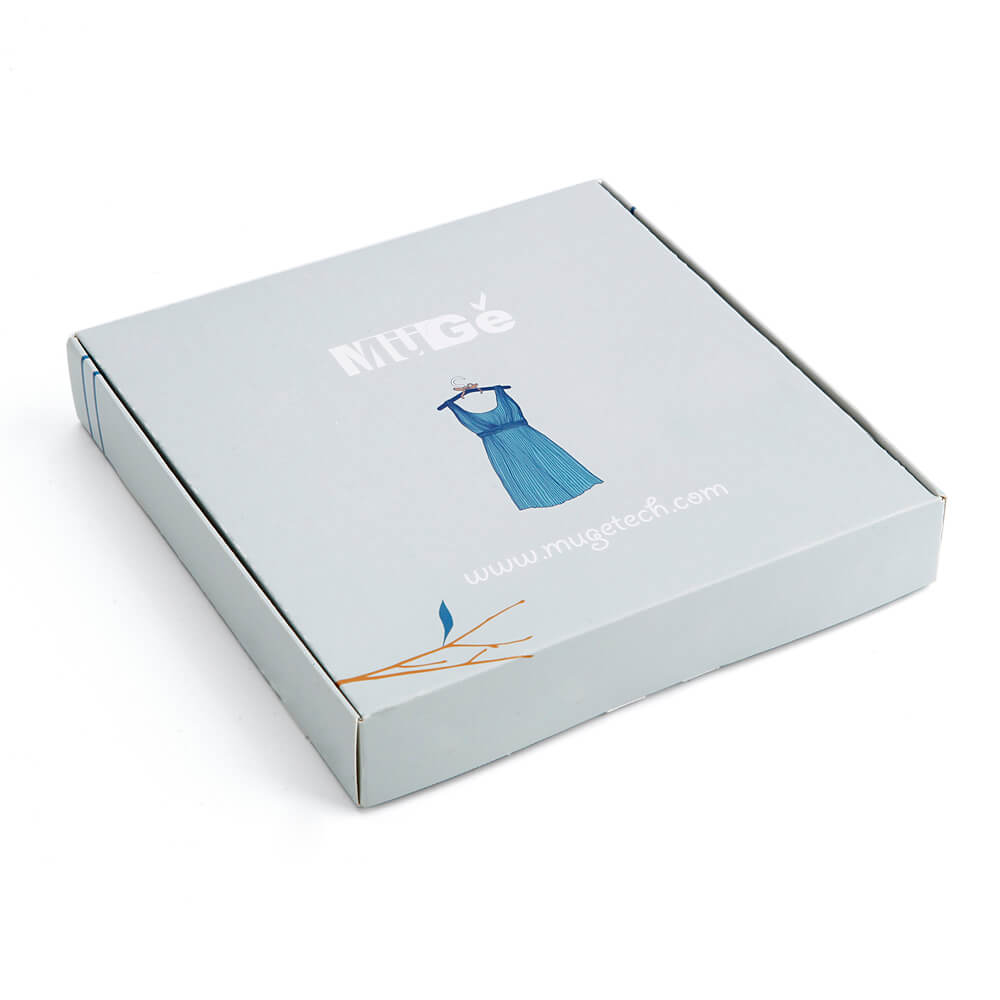
Customizing a cardboard box means tailoring every aspect of the packaging to your specific product and brand requirements. Unlike standard, off-the-shelf boxes, custom cardboard boxes are designed with precise dimensions, materials, printing, and features that match the product’s function and aesthetic.
Customized packaging can include:
Unique box size and shape
Branded printing and logos
Specialized structures (mailer boxes, drawer boxes, folding cartons)
Added functional elements such as inserts or windows
For example, a custom cardboard jewelry box focuses on elegance and protection, while a custom cardboard pizza box emphasizes food safety, heat retention, and convenience. Customization ensures your packaging works exactly as intended.
Material selection is the foundation of any custom cardboard box. The right paperboard ensures durability, appearance, and cost efficiency.
Corrugated cardboard: Ideal for shipping and protection
Paperboard (chipboard): Often used for retail and gift boxes
Single-wall: Lightweight products and mailers
Double-wall: Heavier or fragile products like wine bottles
Triple-wall: Industrial or bulk packaging
A kraft brown paper box is popular for eco-friendly branding and a natural look, while white cardboard is often chosen for premium printing clarity.
Custom cardboard wine boxes require thick, rigid materials
Custom cosmetic paper box packaging often uses smooth paperboard for high-end finishes
Custom cardboard shoe boxes need strength and stackability
Choosing the correct material protects your product and controls packaging costs.
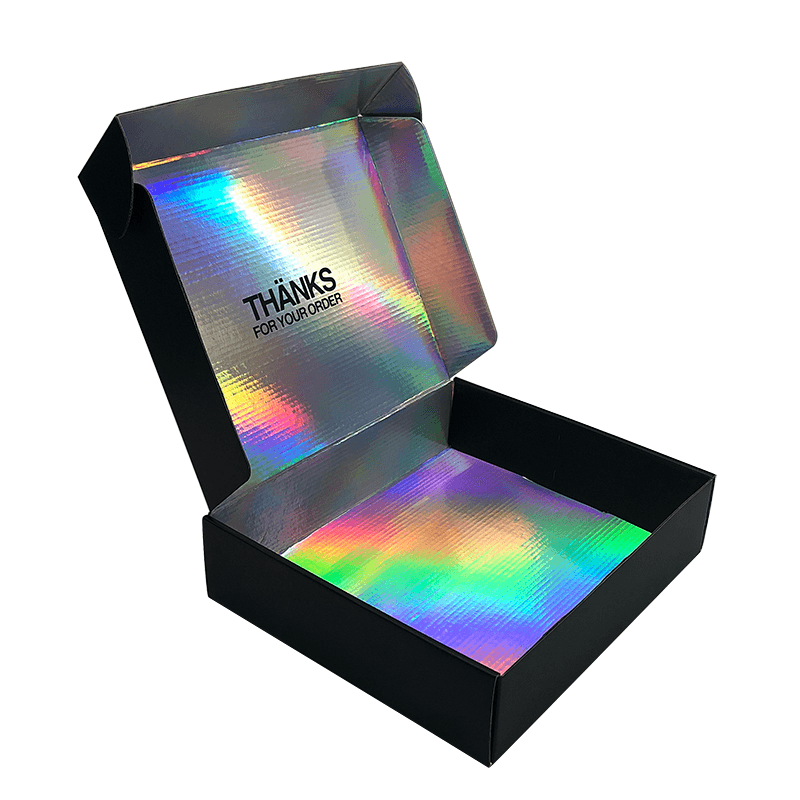
Once the material is selected, the next step is defining the box dimensions and structure.
Accurate measurements are critical. Oversized boxes waste material and increase shipping costs, while undersized boxes risk product damage.
Regular slotted boxes (RSC) for shipping
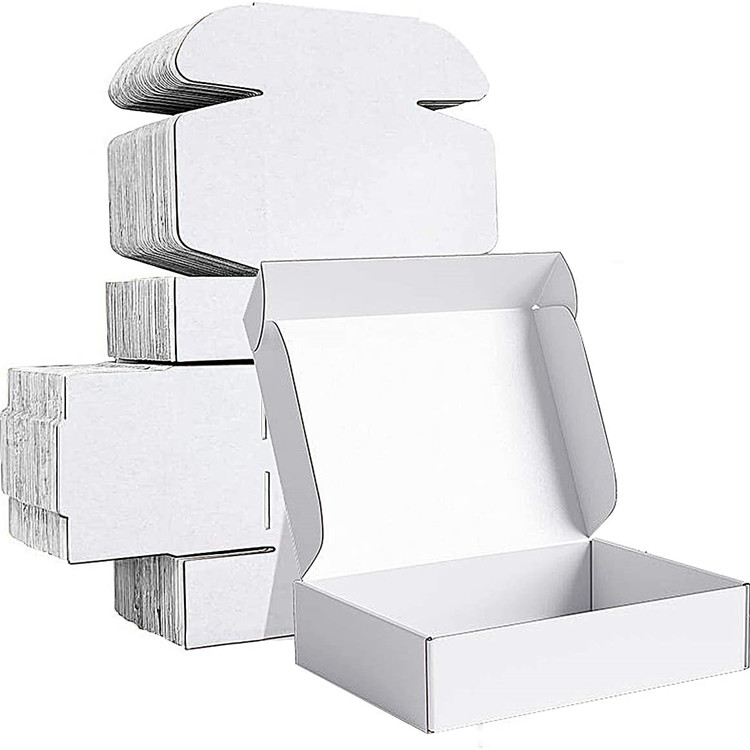
Die-cut mailer boxes for e-commerce
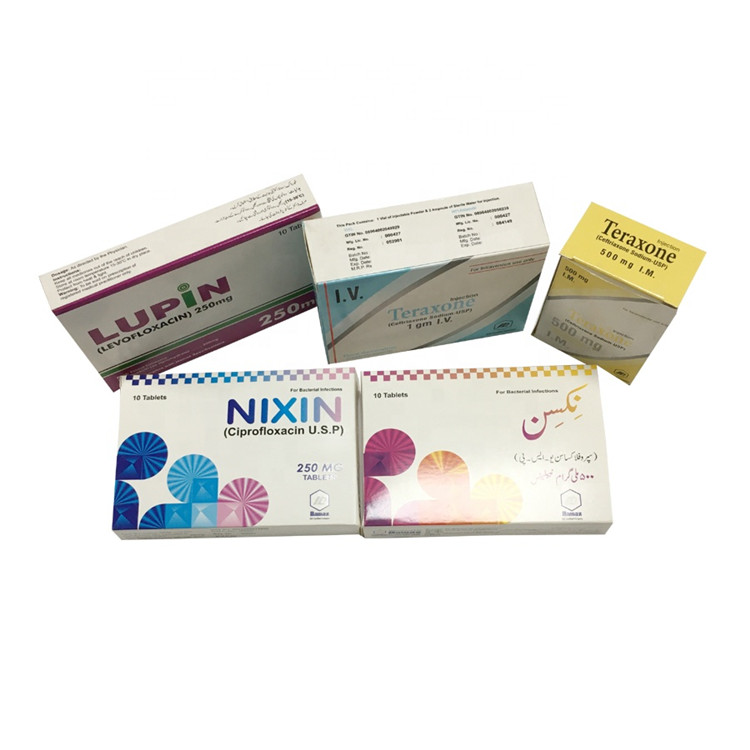
Folding cartons for retail
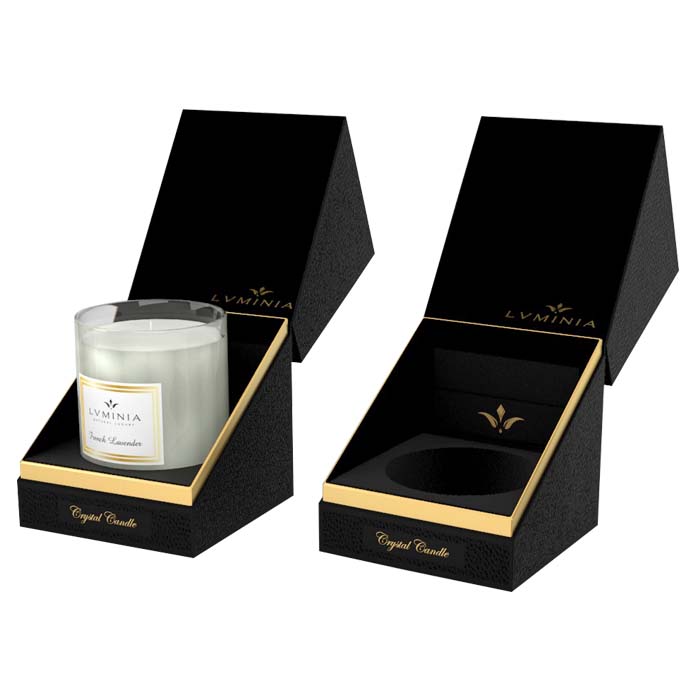
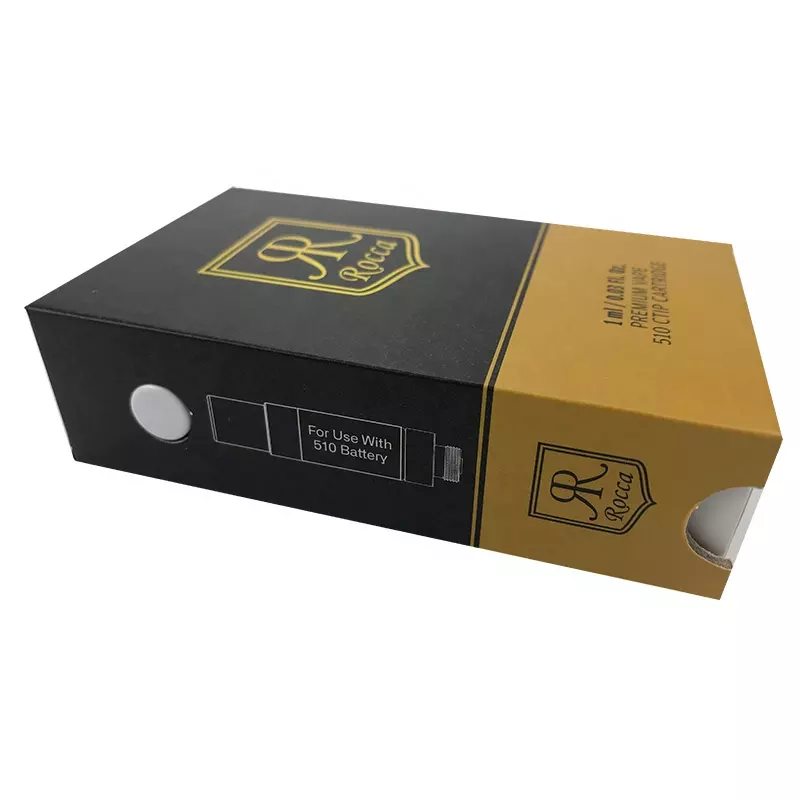
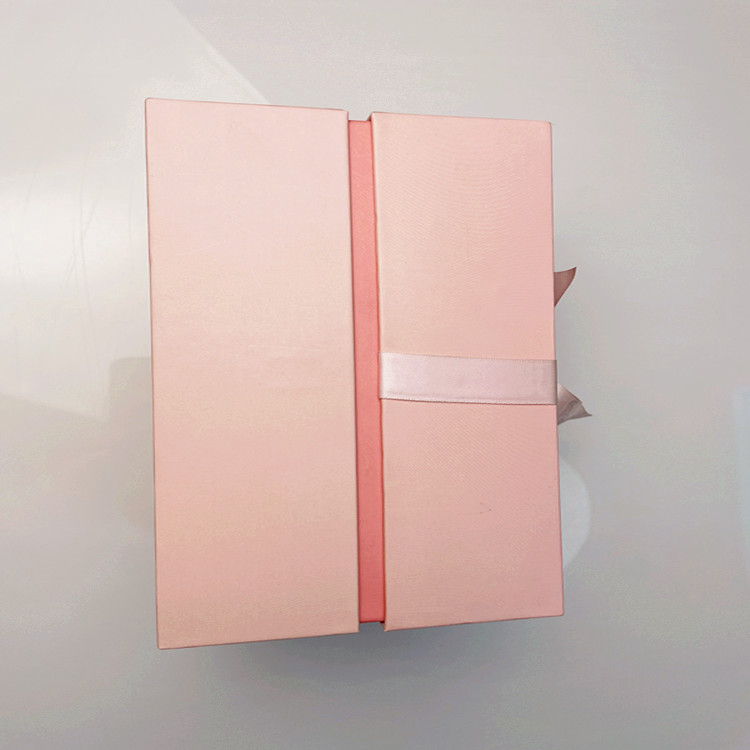
Drawer or rigid boxes for premium products
A custom cardboard mailer box is perfect for online brands, while custom cardboard gift boxes focus more on presentation and unboxing experience.
Custom shapes can enhance shelf appeal, especially for cosmetics, jewelry, and wine packaging. Structural design should always balance creativity with practicality and cost.
Printing is where your cardboard box truly becomes a brand asset.
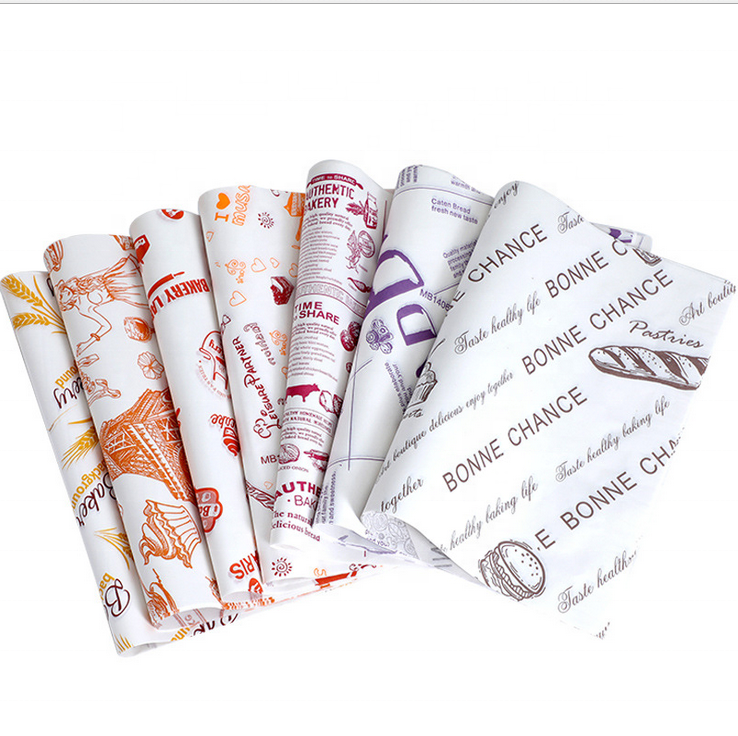
Consistent use of logos, colors, and fonts reinforces brand recognition. Whether it’s a minimalist kraft look or a colorful wrapping paper box design, branding should align with your target audience.
Flexographic printing: Cost-effective for large runs
Offset printing: High-quality graphics and color accuracy
Digital printing: Ideal for small batches and customization
For products like custom cosmetic paper boxes or custom cardboard jewelry boxes, high-resolution printing is essential to convey premium quality.
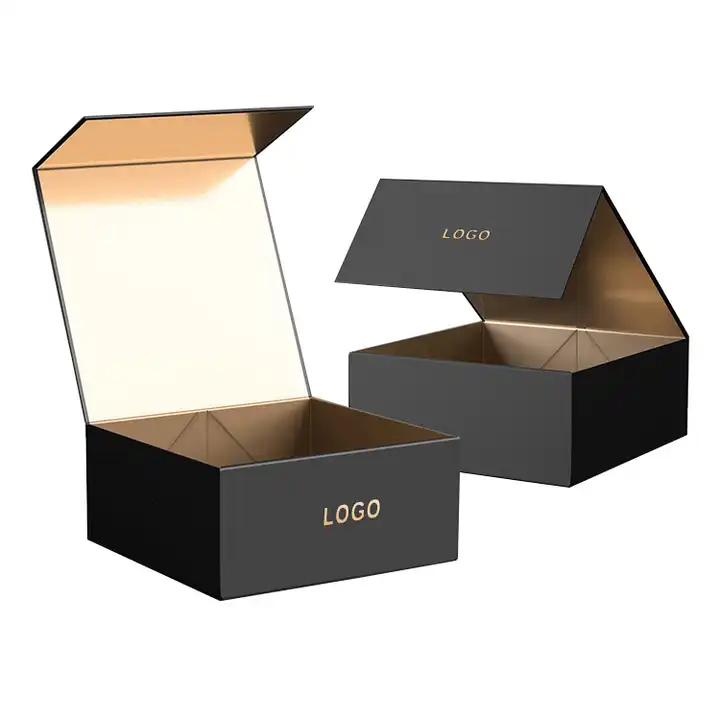
Printing on the inside of the box adds a surprise element, storytelling opportunity, or usage instructions, enhancing customer engagement.
Beyond appearance, functional customization improves usability and protection.
Inserts and dividers for product stability
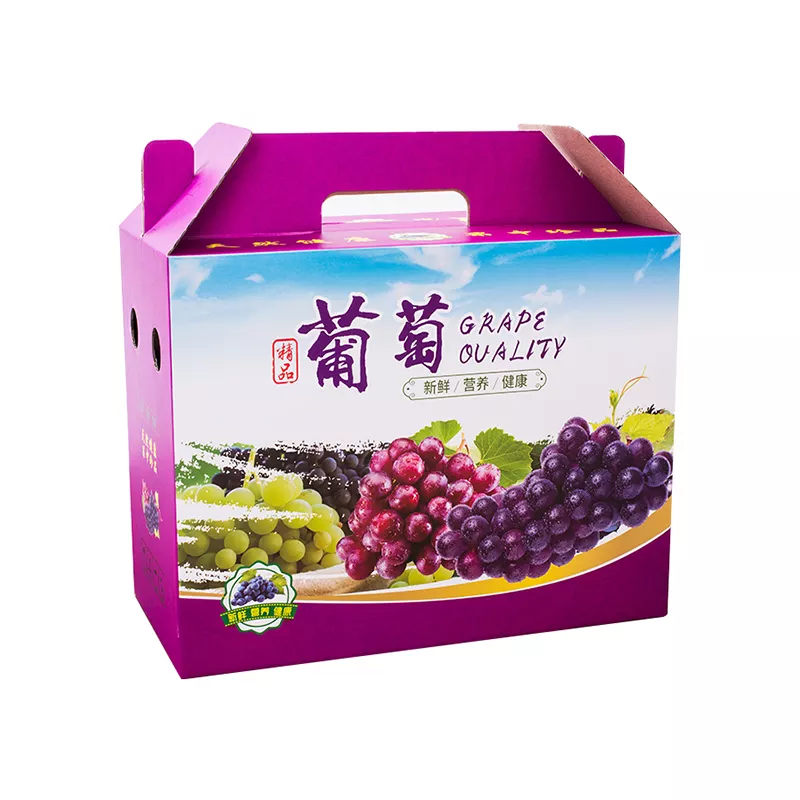
Handles for easy carrying
Windows to showcase products
For example:
Custom cardboard pizza boxes may include ventilation holes
Custom cardboard wine boxes often include molded inserts
Custom cardboard shoe boxes need reinforced corners and breathable designs
Easy-open tabs, resealable designs, and tear strips improve user experience, especially in e-commerce and food packaging.
Surface finishes elevate the perceived value of your cardboard box.
Matte or glossy lamination
Aqueous or UV coating
Soft-touch finishes
Foil stamping for logos
Embossing or debossing
Spot UV highlights
These finishes are especially popular for custom cardboard gift boxes, custom cardboard jewelry boxes, and custom cosmetic paper boxes, where packaging is part of the luxury experience.
Sustainability is no longer optional—it’s a competitive advantage.
Recyclable corrugated cardboard
FSC-certified paper
Biodegradable coatings
A kraft brown paper box paired with soy-based inks sends a strong eco-conscious message.
Right-sizing boxes to reduce waste
Minimalist printing
Eliminating unnecessary plastic inserts
Eco-friendly packaging appeals to modern consumers and helps brands meet environmental regulations.
The final—and most important—step is choosing the right manufacturing partner.
Box dimensions and structure
Artwork files and branding guidelines
Estimated order quantity
Special requirements (food-grade, inserts, finishes)
Professional manufacturers provide samples or prototypes to ensure accuracy before mass production. This step is crucial for complex products like custom cardboard wine boxes or custom cardboard shoe boxes.
Reliable suppliers offer consistent quality, clear timelines, and global shipping support, ensuring your packaging arrives on time and meets expectations.
Customizing a cardboard box is a strategic process that combines material science, structural engineering, branding, and sustainability. From choosing the right cardboard and box structure to printing, finishing, and eco-friendly options, every decision impacts product protection, brand image, and customer satisfaction.
Whether you need a custom cardboard mailer box for e-commerce, a premium custom cardboard gift box, or specialized packaging like custom cardboard pizza boxes or custom cardboard wine boxes, a well-designed solution can set your brand apart in a crowded market.
With over 30 years of production experience, full-set equipment, and skilled workers, Harmony Print Pack (HPP) is a leading custom packaging manufacturer in China, providing one-stop solutions in the printing and packaging industry. Serving over 10,000 clients worldwide—including Fortune 500 companies—HPP offers professional support from design and quotation to sampling and shipment, helping you find the perfect customized cardboard box solution for your business needs.

Copyright © 2025 Harmony Print Pack Co., Ltd. All rights reserved. Site Map Powered by