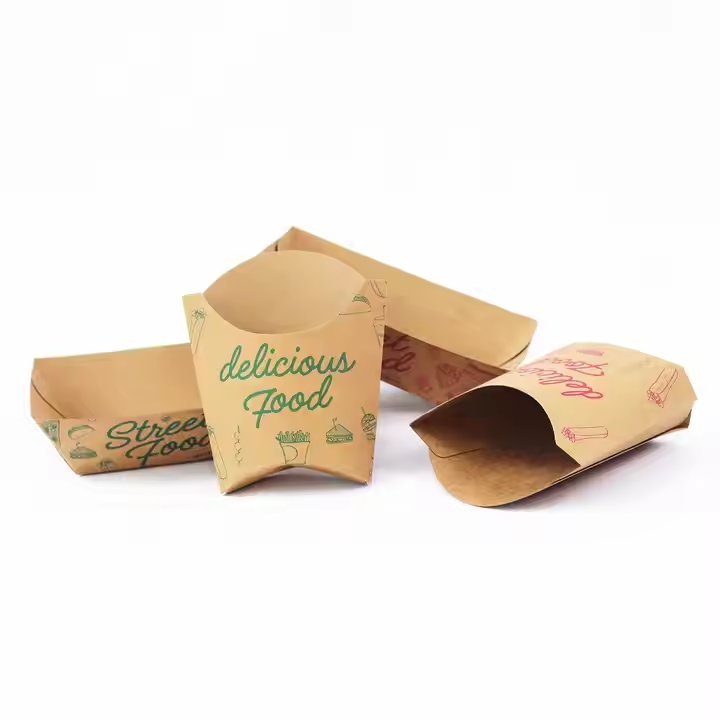
Paper remains one of the most widely used materials in product packaging due to its versatility, printability, and environmental advantages. From everyday food packaging to premium gift presentation, the type of paper selected directly affects product protection, visual appeal, cost, and sustainability performance. For brands and buyers planning custom packaging solutions—such as custom paper food bags or custom paper gift bags with logo—understanding different paper types is essential.
This article provides a comprehensive overview of the most common papers used in product packaging, how they are selected, and how each type supports different packaging applications.
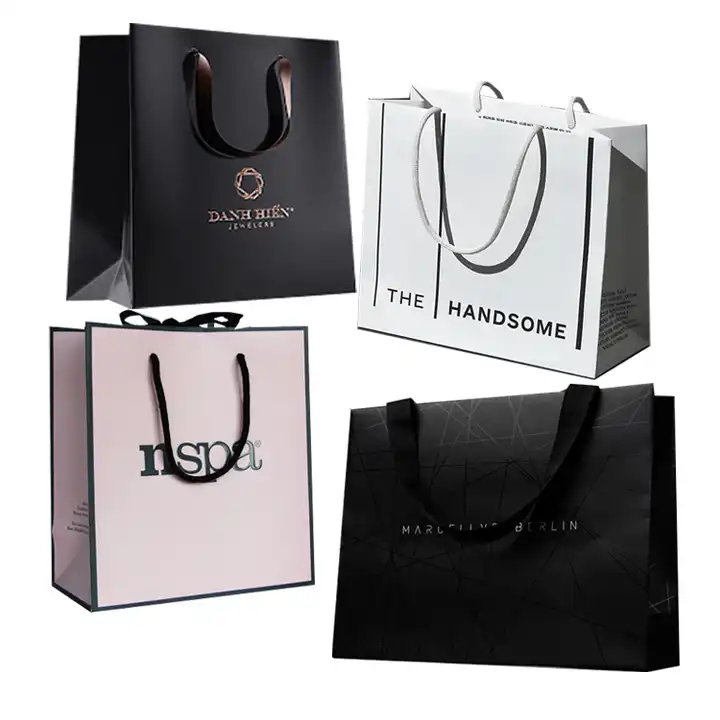
Packaging paper does far more than wrap a product. It protects contents during handling and transport, supports branding and marketing, and communicates a company’s environmental values. Choosing the wrong paper can result in damaged products, poor print quality, or higher-than-necessary costs.
As consumer demand for sustainable packaging grows, paper-based solutions have become the preferred alternative to plastic. However, not all paper types are suitable for every product. Matching the right paper to the right application is a critical decision in packaging design.
Before choosing a paper type, manufacturers and brands should consider several key factors:
Product weight and durability requirements: Heavier products need stronger paper or reinforced structures.
Purpose of packaging: Shipping, retail display, food service, or gifting all have different needs.
Printing and branding requirements: High-resolution graphics require smoother paper surfaces.
Cost efficiency: Material choice affects both unit price and production efficiency.
Sustainability and compliance: Many markets require recyclable or food-safe materials.
These considerations guide the selection process for everything from custom paper handle bags to lightweight confectionery packaging.
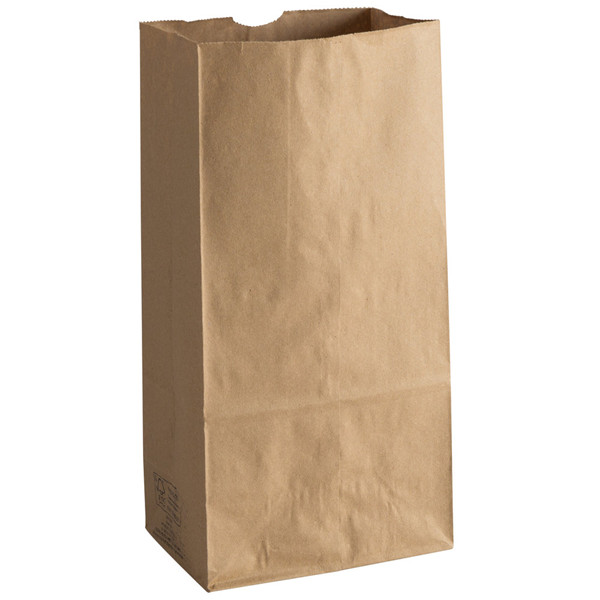
Kraft paper is one of the most widely used papers in product packaging due to its strength, affordability, and eco-friendly image.
Brown kraft paper: Natural appearance, high tear resistance.
White kraft paper: Cleaner surface, better for printing and branding.
Virgin kraft vs. recycled kraft: Virgin kraft offers higher strength, while recycled kraft improves sustainability.
Kraft paper is commonly used for:
Shopping and takeaway bags
Custom paper bakery bags
Custom paper food bags
Inner packaging for boxes
Kraft paper’s durability makes it ideal for products that require both strength and a natural, environmentally responsible appearance.
Coated paper, often referred to as art paper, is designed for high-quality printing and premium presentation.
Smooth surface with excellent ink absorption
Available in glossy and matte finishes
Enhances color vibrancy and detail
Coated paper is commonly used in:
Custom paper gift bags with logo
Premium promotional packaging
Although coated paper is typically more expensive than kraft paper, it delivers superior visual impact and is often chosen for gift-oriented and brand-focused packaging.
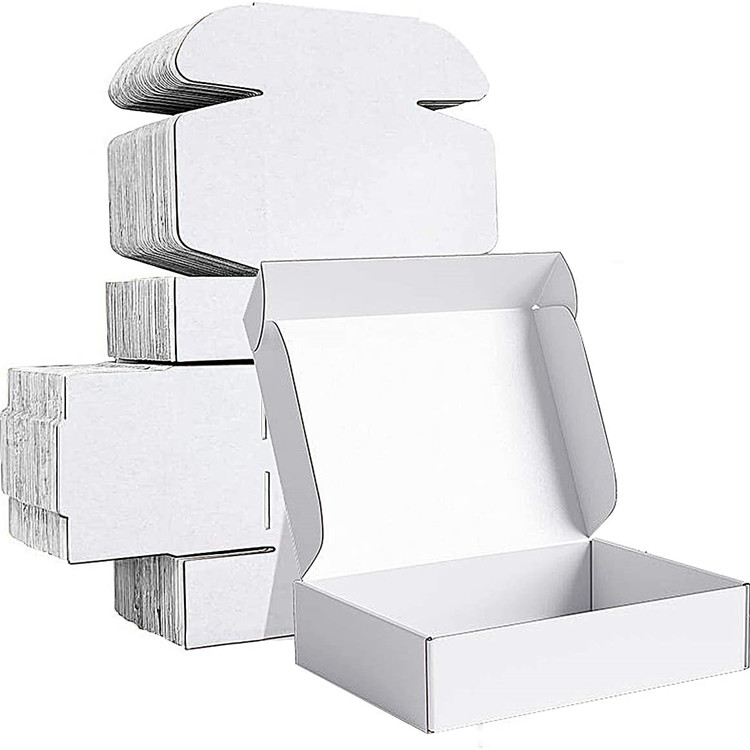
Corrugated paperboard is essential for packaging that requires structural protection during transportation.
Corrugated board consists of:
An inner fluted layer
One or two outer linerboards
Single wall
Double wall
Triple wall
Corrugated paperboard is widely used in:
Shipping cartons
E-commerce packaging
Industrial and bulk packaging
While not commonly used for small retail bags, corrugated paperboard plays a crucial role in outer packaging that protects products before they reach consumers.
Paperboard is thicker than standard paper and is commonly used for cartons and rigid packaging.
Folding Boxboard (FBB): Lightweight, good print quality
Solid Bleached Sulfate (SBS): Bright white surface, premium appearance
Solid Unbleached Sulfate (SUS): Natural color, strong and durable
Grey board (chipboard): Used as a structural core in rigid boxes
Paperboard is widely used for:
Folding cartons
Backing boards for custom paper favor bags
Some products require special functional properties that standard papers cannot provide.
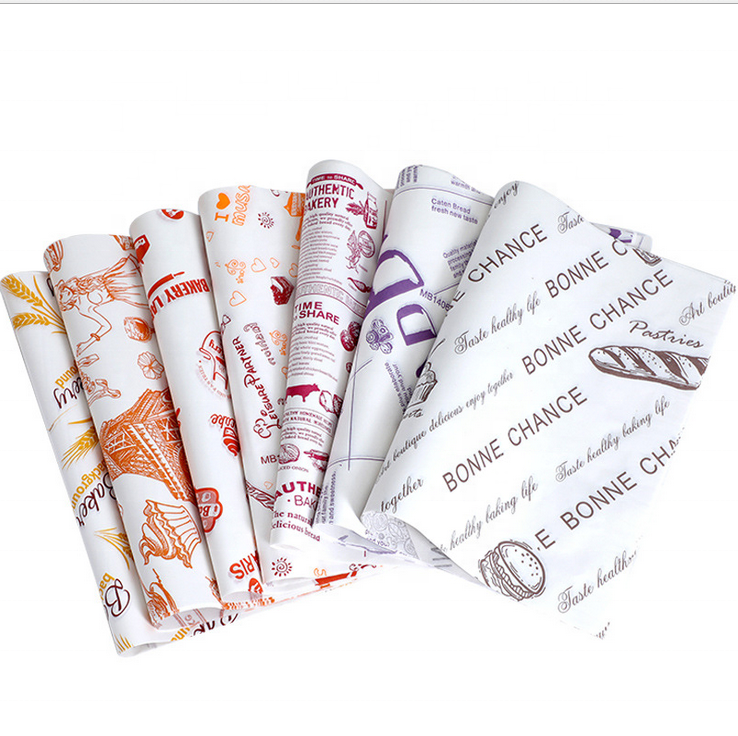
Greaseproof paper for food packaging
Glassine paper for confectionery
Waxed or laminated paper for moisture resistance
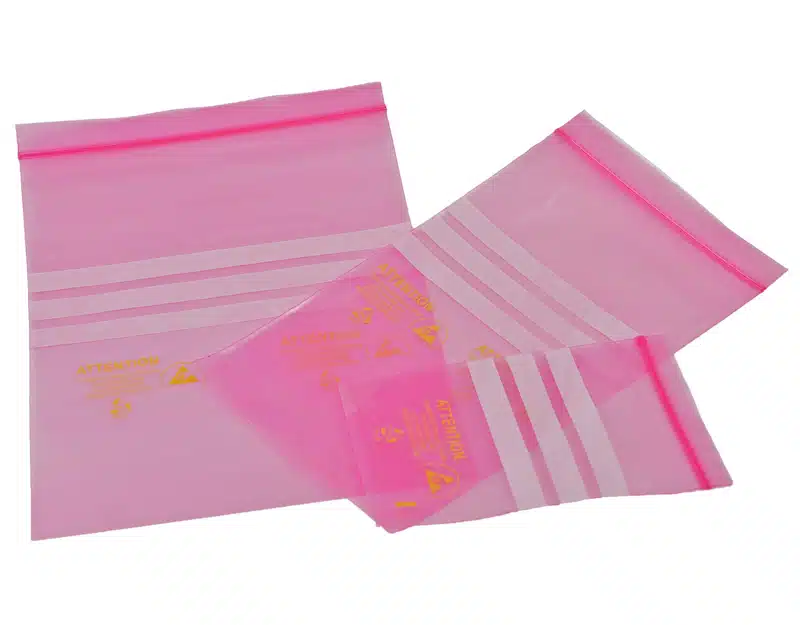
Anti-static paper for electronics
Textured paper for decorative packaging
Specialty papers are often used in custom paper cookie bags, custom paper candy bags, and other food-related packaging where freshness and cleanliness are critical.
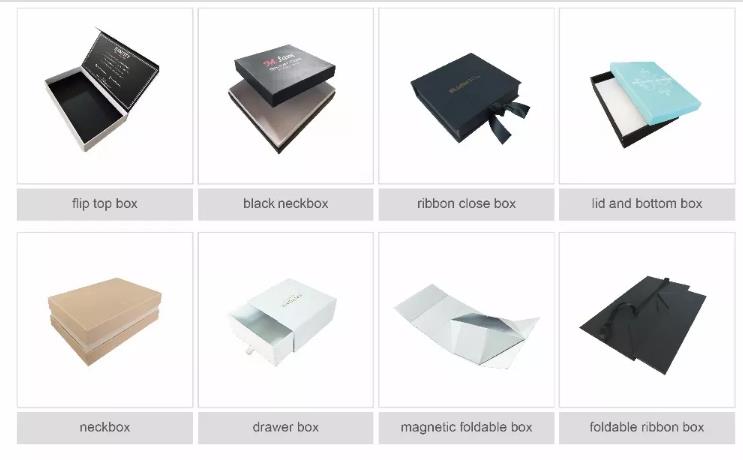
GSM (grams per square meter) measures paper weight and thickness.
Higher GSM provides better strength and durability
Lower GSM reduces cost and material usage
40–60 GSM: Lightweight food wrappers
80–120 GSM: Custom paper food bags
150–250 GSM: Shopping bags and gift bags
300+ GSM: Rigid packaging and boxes
Selecting the correct GSM ensures packaging performs well without unnecessary material expense.
Different products require different paper solutions:
Food and bakery items: Kraft paper or greaseproof paper for custom paper bakery bags
Candy and cookies: Glassine or coated paper for custom paper candy bags and custom paper cookie bags
Gifts and promotions: Coated paper or specialty paper for custom paper gift bags with logo
Retail shopping: Reinforced kraft or paperboard for durable carry bags
Matching paper type to product category ensures functionality and brand consistency.
Paper packaging offers unmatched flexibility across industries, but its effectiveness depends on informed material selection. By understanding kraft paper, coated paper, corrugated board, paperboard, and specialty papers, brands can choose solutions that balance protection, aesthetics, cost, and sustainability.
Whether producing custom paper food bags, custom paper favor bags, or premium gift packaging, selecting the right paper is the foundation of successful packaging design.
With 30+ years production experience, full set equipment, skilled workers, Harmony Print Pack (HPP), a leading company in China providing one-stop solution in printing and packaging industry, would be your solid choice. Our professional service team would assist you with the design, quotation, sample and shipment for free.

Copyright © 2025 Harmony Print Pack Co., Ltd. All rights reserved. Site Map Powered by