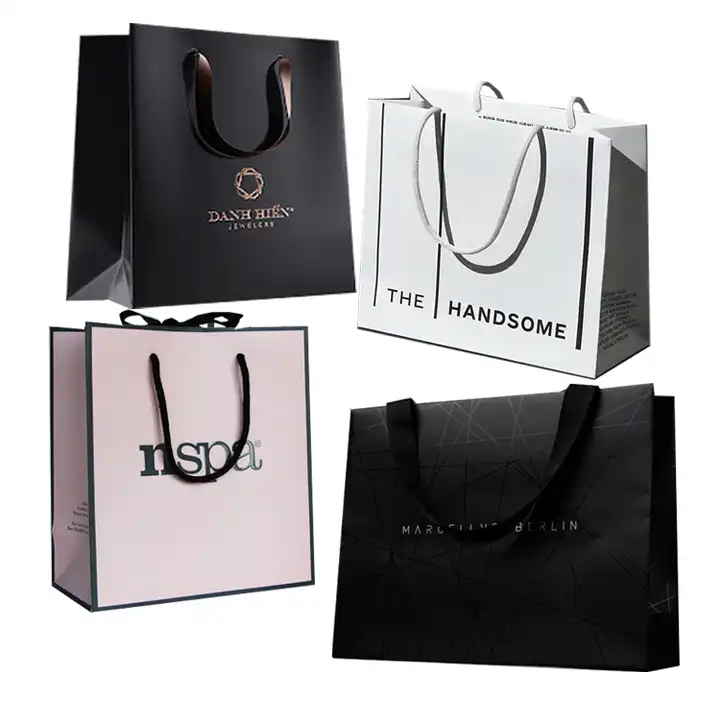
In competitive retail and commercial environment, packaging is no longer just a functional necessity—it is a critical branding tool. Among various packaging options, paper bags stand out for their versatility, sustainability, and strong branding potential. Whether used in retail stores, food service, luxury boutiques, or promotional events, customized paper bags help businesses reinforce brand identity while meeting practical carrying needs.
This guide explains how to customize paper bags step by step, from defining usage requirements to selecting materials, printing methods, and manufacturing partners. It is designed for brands, wholesalers, and procurement teams seeking professional insights into custom made paper bags.
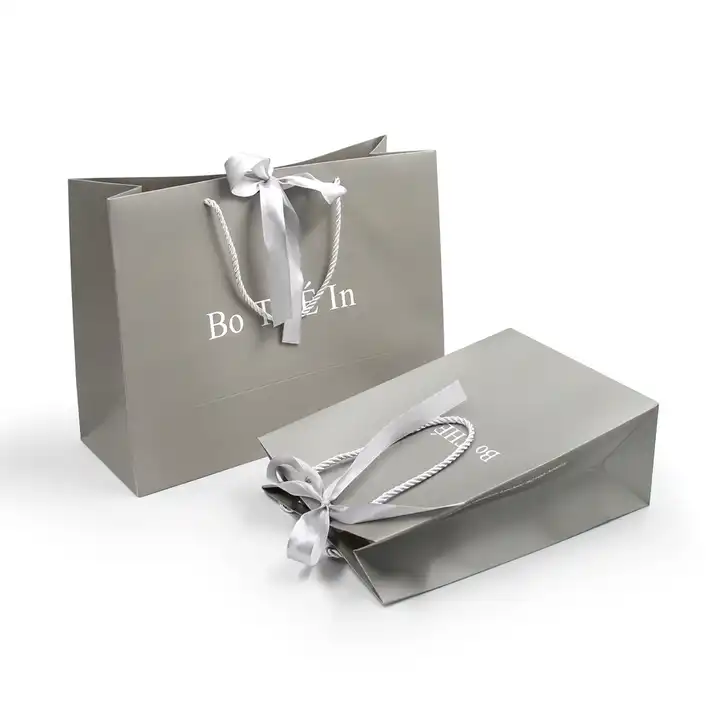
Customized paper bags serve multiple strategic purposes. They act as mobile advertisements, enhance customer experience, and reflect a brand’s values—especially sustainability and quality. Compared to generic packaging, custom paper shopping bags allow businesses to control size, material, color, and visual presentation, ensuring consistency across all touchpoints.
Industries commonly using customized paper bags include:
Retail and fashion
Food and beverage
Bakeries and cafés
Luxury goods and gifts
Trade shows and exhibitions
With growing restrictions on plastic packaging worldwide, demand for customized kraft paper bags and other eco-friendly paper options continues to rise.
The first step to customize paper bags is clarifying how the bag will be used. Different applications require different structures, materials, and finishes.
Common use cases include:
Retail shopping bags for clothing, accessories, and cosmetics
Food and takeaway bags, including custom paper bread bags
Promotional paper bags for events or marketing campaigns
Luxury paper bags for premium products
Key questions to consider:
What products will the bag carry?
How much weight must it support?
Is the bag intended for short-term use or reuse?
Does the bag need food-grade compliance?
Clear answers will guide all subsequent customization decisions.
Material selection directly affects durability, appearance, cost, and sustainability.
Kraft Paper
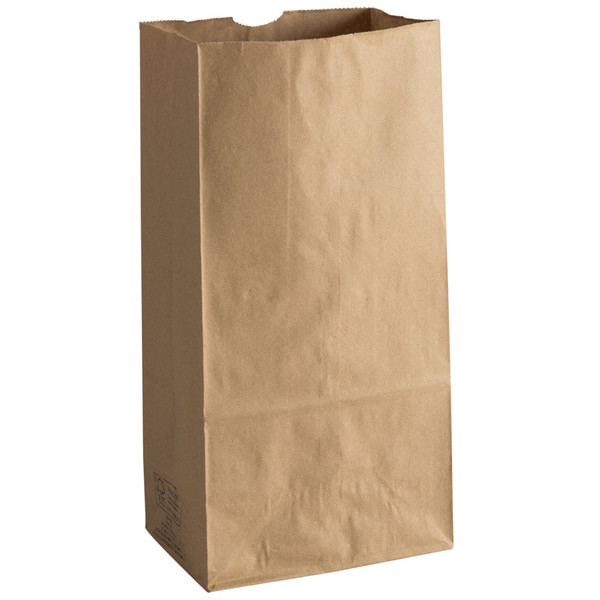
Kraft paper is one of the most widely used materials due to its strength and eco-friendly image.
Brown kraft paper: natural, rustic look
White kraft paper: cleaner surface for branding
Recycled kraft paper: enhanced sustainability credentials
Customized kraft paper bags are especially popular in retail and food industries.
Art Paper (Coated Paper)
Art paper offers a smooth, premium surface suitable for high-resolution printing.
Ideal for custom luxury paper bags
Often combined with lamination for added strength and visual appeal
Specialty Paper
Includes textured paper, FSC-certified paper, and other specialty materials designed for distinctive branding.
Paper thickness (GSM) should be selected based on product weight and bag size to prevent tearing or deformation.
Custom sizing ensures the paper bag fits the product properly while minimizing material waste.
Size Options
Standard sizes for cost efficiency
Fully customized dimensions for unique products
Common Structures
Flat bottom paper bags
Square bottom paper bags
SOS (Self-Opening Square) paper bags
Structural considerations include bottom reinforcement and side gussets, which increase load-bearing capacity—critical for custom made paper bags intended for heavier items.
Handles play a crucial role in both functionality and aesthetics.
Popular handle options include:
Twisted paper handles (cost-effective and durable)
Flat paper handles (commonly used in retail)
Cotton rope handles (premium feel)
Ribbon or PP rope handles (luxury appearance)
For custom paper shopping bags, handle strength should be matched to expected carrying weight to ensure comfort and reliability.
Branding is the core reason many businesses customize paper bags. Printing transforms a simple carrier into a powerful marketing tool.
Printing Methods
Flexographic printing: suitable for large volumes and simple designs
Offset printing: high-quality output for complex graphics
Gravure printing: consistent quality for mass production
Branding Elements
Logo placement and scale
Brand colors and typography
Inside vs. outside printing
Both single-color and full-color (CMYK or Pantone) printing options are available depending on design requirements and budget.
Surface finishing enhances both durability and visual impact.
Common finishing techniques include:
Matte or glossy lamination
UV spot coating for logo highlights
Hot stamping (gold, silver, or colored foil)
Embossing and debossing for tactile branding
Die-cut windows or custom shapes
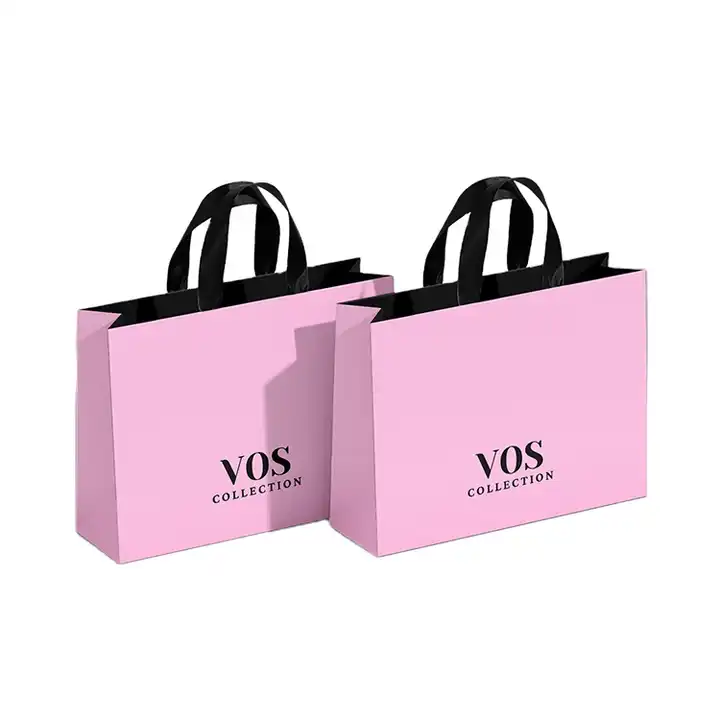
These finishes are frequently used in custom luxury paper bags to create a premium unboxing experience.
Practical planning ensures a smooth production process.
Key Considerations
Minimum order quantity (MOQ)
Cost factors: material, printing complexity, finishing
Production lead time
Shipping and logistics arrangements
Higher quantities generally reduce unit cost, making bulk orders of customized kraft paper bags more economical.
Proper artwork preparation prevents costly errors and delays.
Design requirements typically include:
CMYK or Pantone color mode
High-resolution files (AI, PDF, EPS)
Correct bleed and safety margins
Approved dielines
Common mistakes to avoid:
Overly complex designs
Inaccurate color expectations
Insufficient contrast for logos or text
Selecting an experienced manufacturer is essential for quality and consistency.
When evaluating custom paper bag manufacturers, consider:
Production experience and equipment
Customization flexibility
Quality control standards
Sample approval process
After-sales and logistics support
A reliable partner ensures your custom made paper bags meet both aesthetic and functional requirements.
Custom paper bags are more than packaging—they are an extension of your brand. By carefully selecting materials, structure, printing, and finishing options, businesses can create packaging that delivers both function and visual impact.
Whether you need custom paper bread bags, custom paper shopping bags, or custom luxury paper bags, a well-executed customization strategy can enhance customer perception, support sustainability goals, and strengthen market presence.
With 30+ years production experience, full set equipment, skilled workers, Harmony Print Pack (HPP), a leading company in China providing one-stop solution in printing and packaging industry, would be your solid choice. Our professional service team would assist you with the design, quotation, sample and shipment for free. We have been serving 10,000+ clients from all over the world including Fortune 500 companies. With Harmony Print Pack (HPP), you can find all the answers for your needs of printing and packaging products.

Copyright © 2025 Harmony Print Pack Co., Ltd. All rights reserved. Site Map Powered by