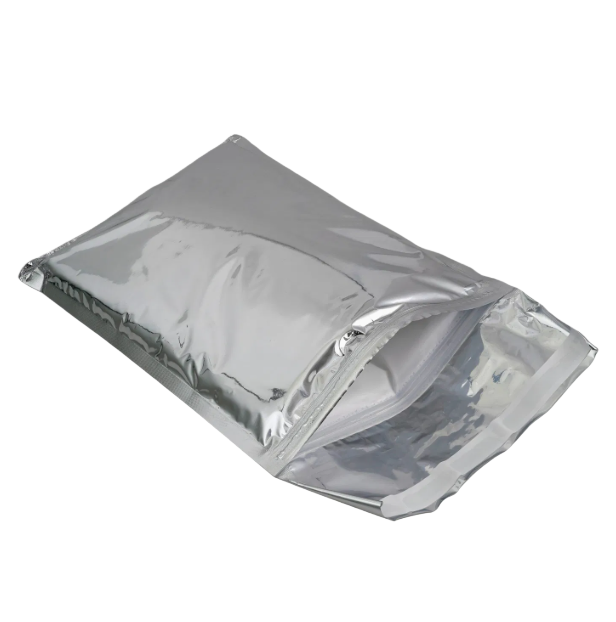
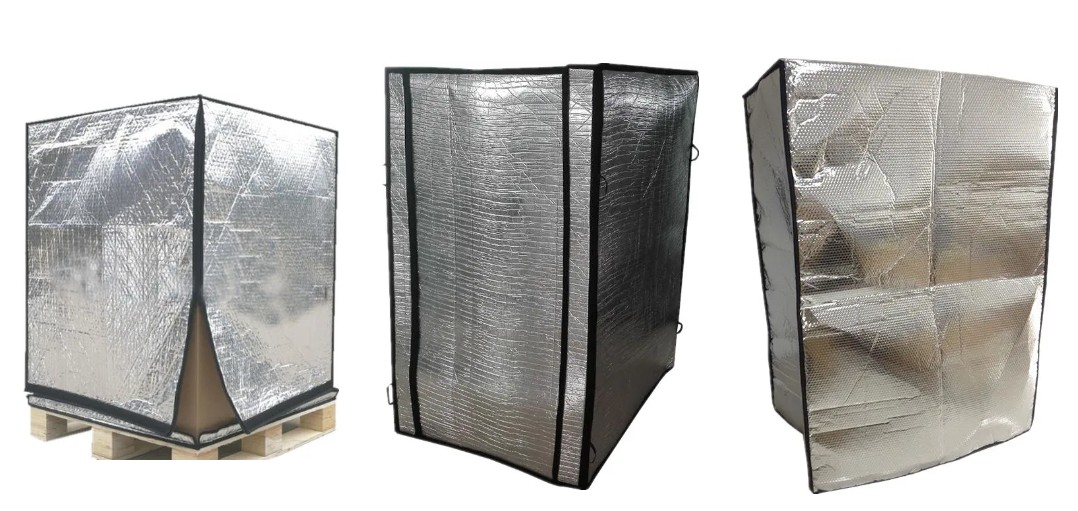
Many people notice that insulated cooler bags usually have a shiny silver layer inside. This aluminum layer is not just for appearance—it plays an important role in improving thermal insulation performance. By reflecting radiant heat, aluminum lining helps reduce heat transfer and supports better temperature control inside the bag.
Insulated cooler bags are designed to slow down temperature changes and protect products from external heat or cold. When combined with insulation materials such as PE foam, EPE, EVA, or other thermal layers, aluminum creates an effective barrier that helps maintain stable internal conditions for food, beverages, medical supplies, and other temperature-sensitive items.
Understanding why aluminum is used inside cooler bags can help brands choose the right materials and structure for their packaging needs. This article explains the function of aluminum lining, its advantages, and how customized insulated packaging solutions can achieve better performance.
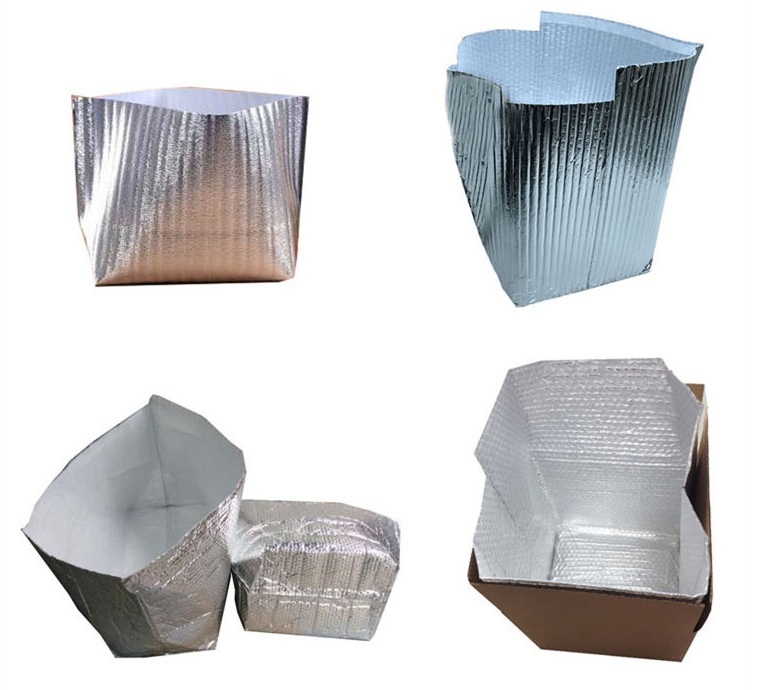
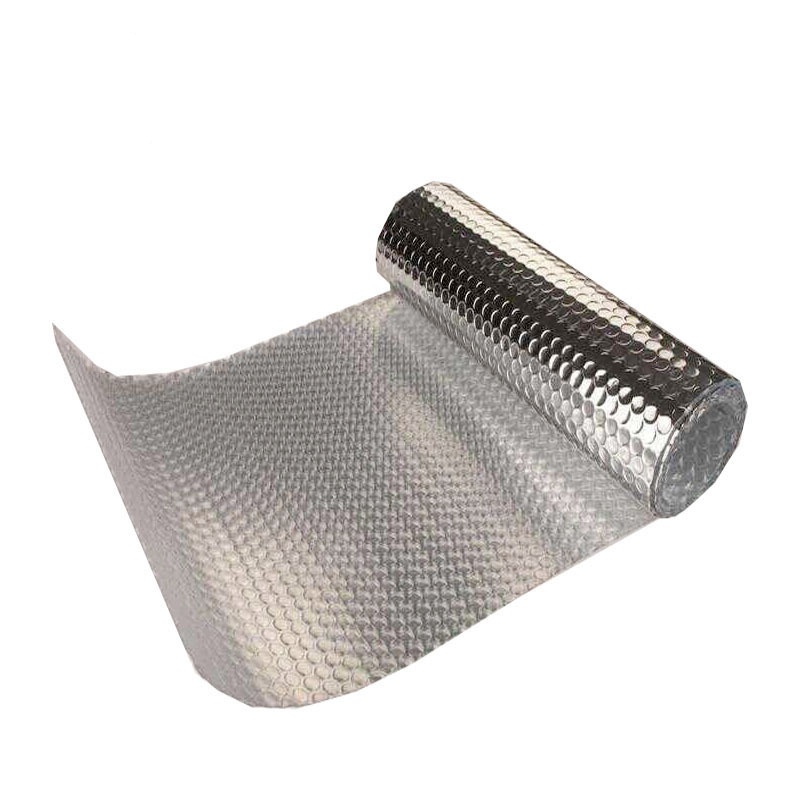
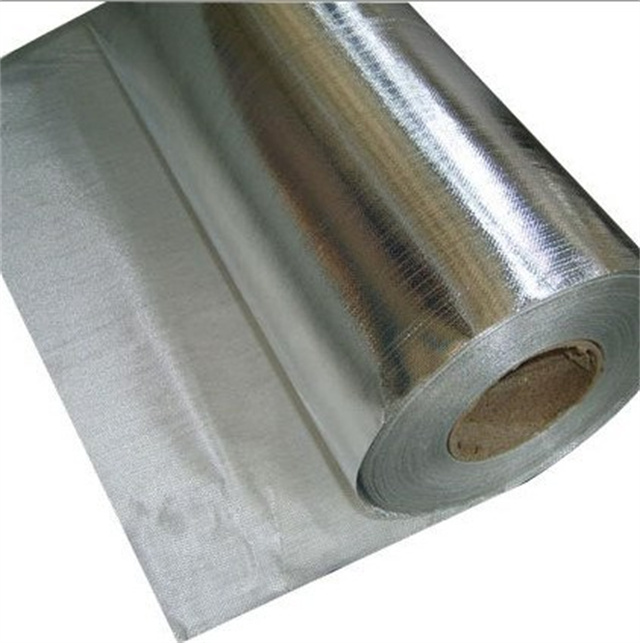
The aluminum layer inside an insulated cooler bag is usually not made of a solid aluminum sheet. Instead, it is commonly designed with lightweight reflective materials, such as aluminum foil, aluminum laminated film, metallized PET film, or aluminum-coated insulation materials. These materials provide heat reflection and moisture resistance while keeping the bag flexible and easy to carry.
A typical insulated package consists of multiple layers. The outer layer is often made from durable materials such as Oxford fabric, non-woven fabric, polyester, or customized printed fabrics. The middle insulation layer uses materials like EPE foam, PE foam, EVA, or bubble insulation to reduce heat transfer. The inner lining is usually aluminum foil or aluminum laminated film, often combined with a waterproof coating for better protection.
Heat transfer occurs through conduction, convection, and radiation. Aluminum lining mainly works against radiant heat because of its high reflectivity. The shiny surface reflects infrared radiation instead of absorbing heat, reducing heat entering the cooler bag. When exposed to sunlight, the aluminum layer helps reflect heat away from the inner compartment, making aluminum foil heat insulation an effective thermal barrier solution.
Aluminum is not the main insulation material itself. The foam layer blocks heat conduction, while the aluminum layer reflects radiant heat. Combined with insulation materials, aluminum helps maintain stable temperatures for food, beverages, and medical transportation, including thermal insulation packaging for temperature-sensitive products.
Cooler bags often carry ice packs, frozen food, drinks, and fresh products that may cause condensation or moisture. Aluminum laminated lining provides water resistance, protects insulation materials, and offers a smooth surface that is easy to clean.
Compared with metal sheets or fabric linings, aluminum provides a better balance between insulation performance, weight, cost, and flexibility. Its lightweight and reflective properties make it suitable for various cooler bag applications.
The silver interior of aluminum-lined cooler bags creates a clean and professional appearance. It is widely used by food, beverage, cosmetics, and pharmaceutical brands that need reliable insulated packaging solutions.
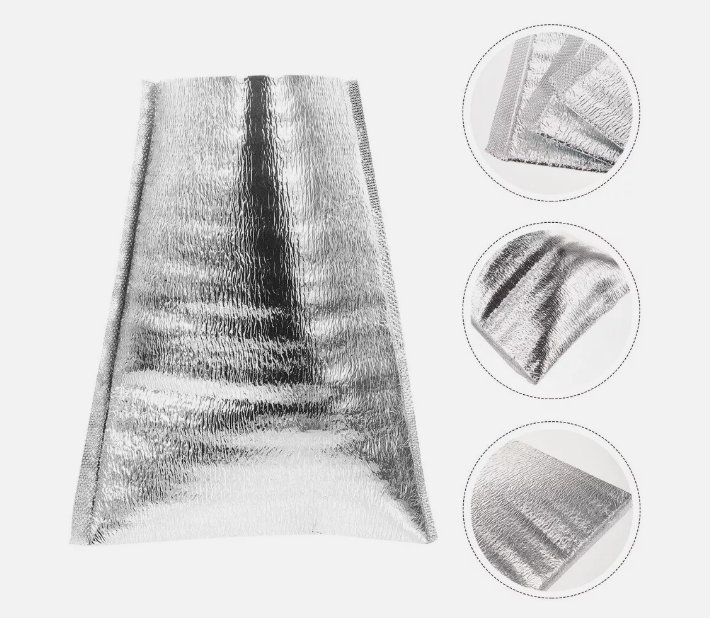
Different inner lining materials provide different levels of insulation, waterproof protection, and durability. Aluminum foil is widely used in professional cooler bags because of its excellent thermal performance and reflective properties. Compared with other options, it offers a better balance between insulation efficiency and flexibility.
|
Inner Material |
Thermal Performance |
Waterproof |
Application |
|
Aluminum foil |
Excellent |
Excellent |
Food, beverage, medical |
|
PEVA lining |
Good |
Excellent |
Lunch bags |
|
PVC lining |
Moderate |
Good |
General bags |
|
Fabric lining |
Low |
Low |
Basic bags |
Aluminum remains one of the most common choices for professional thermal packaging.
No. Aluminum does not generate cooling by itself. Its main function is to reflect heat, reduce heat transfer, and help insulation materials work more effectively. To keep a cooler bag cold, additional components are required, including ice packs, refrigerants, insulation foam, and proper sealing. The aluminum lining works together with these elements to slow temperature changes and maintain a stable internal environment for temperature-sensitive products.
Insulated cooler bags usually combine aluminum lining with multiple materials to achieve better performance. The outer layer often uses polyester, Oxford fabric, or non-woven fabric, providing durability and supporting printing customization. The insulation layer, including EPE foam, PE foam, or EVA, helps reduce heat transfer and improve temperature control. The aluminum inner layer reflects radiant heat and provides moisture protection. A custom printing layer allows brands to add logos, promotional graphics, and corporate identity elements. With professional custom printing, packaging customization, and OEM service, businesses can create insulated cooler bags that meet specific market needs.

Aluminum-lined insulated cooler bags are widely used in industries that require temperature control and product protection. In food packaging, they are suitable for takeaway delivery, frozen food, fresh seafood, and grocery delivery. Beverage brands use them for coffee, juice, wine, and dairy products. They are also applied in medical transportation for temperature-sensitive supplies and healthcare products. In addition, businesses use customized insulated bags as promotional packaging for corporate gifts and brand campaigns.
Aluminum inside cooler bags is mainly used because of its excellent heat-reflective properties. Working together with insulation layers, aluminum lining helps reduce heat transfer and maintain stable temperatures. It also provides moisture resistance, durability, and easy cleaning, making it a practical material for various insulated packaging applications.
Choosing the right insulated packaging solution requires reliable materials, professional design, and experienced manufacturing support. Harmony Print Pack provides customized packaging solutions with advanced printing capabilities and flexible material options to meet different brand requirements. Contact HPP today to develop your customized insulated cooler bag.

Copyright © 2025 Harmony Print Pack Co., Ltd. All rights reserved. Site Map Powered by