In modern cold chain logistics, temperature stability is critical to ensuring the quality and safety of high-value products such as food and pharmaceuticals. An often overlooked yet essential component is the insulated box liner, which plays a key role within the packaging structure by maintaining a stable internal thermal environment during transportation.
As a core thermal protection element, its primary function is to "lock in" temperature and reduce the impact of external environmental changes. Whether transporting fresh food, prepared meals, or pharmaceuticals like vaccines and reagents, strict temperature control is required, as fluctuations can lead to quality loss, reduced efficacy, or complete spoilage.
This article systematically examines insulated box liners, focusing on their thermal insulation principles, structural design, and commonly used materials, while also exploring practical applications to provide a clear understanding of their value and technical role in cold chain packaging systems.
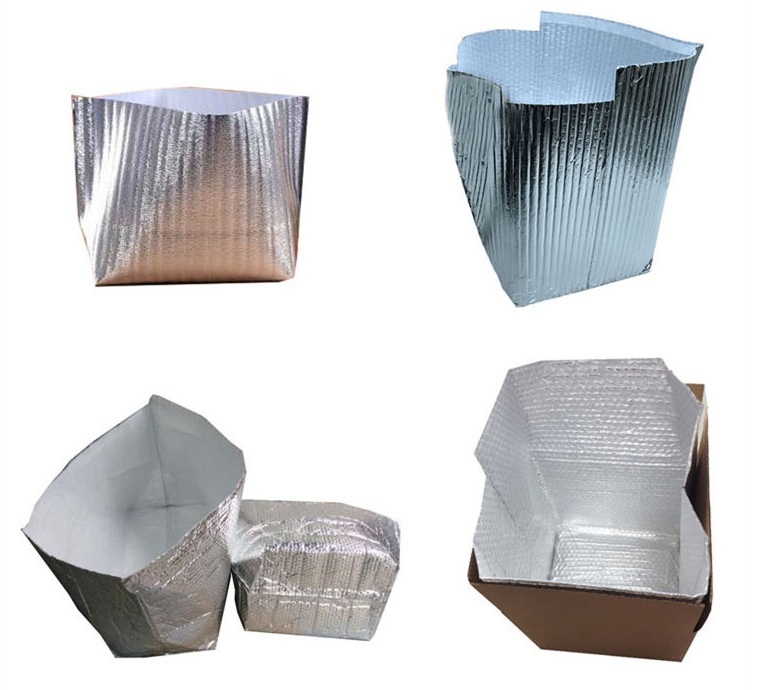
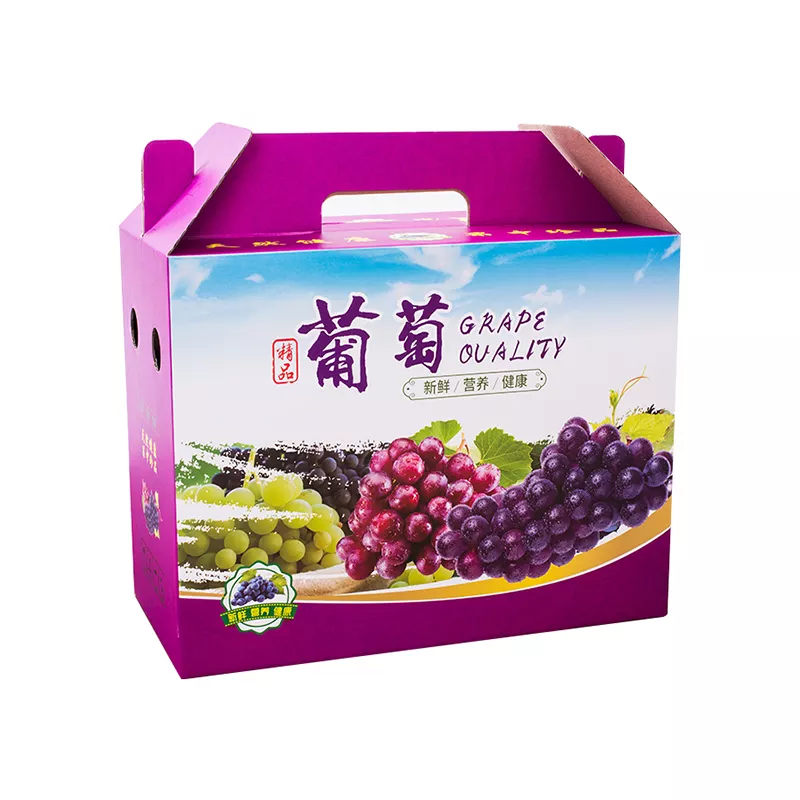
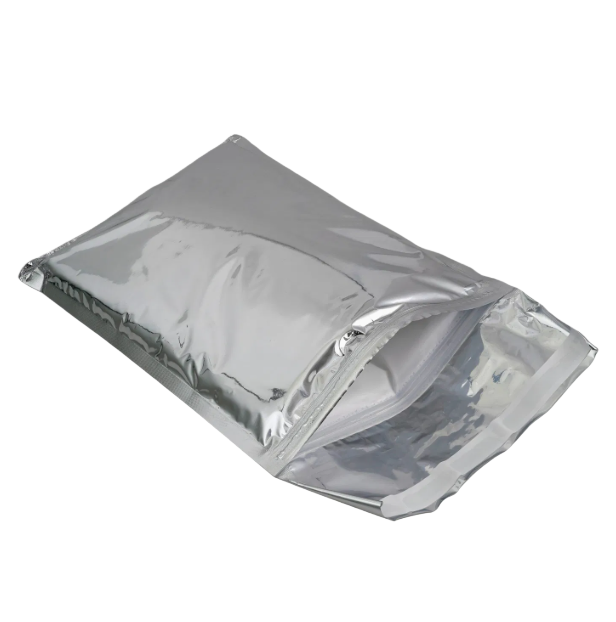
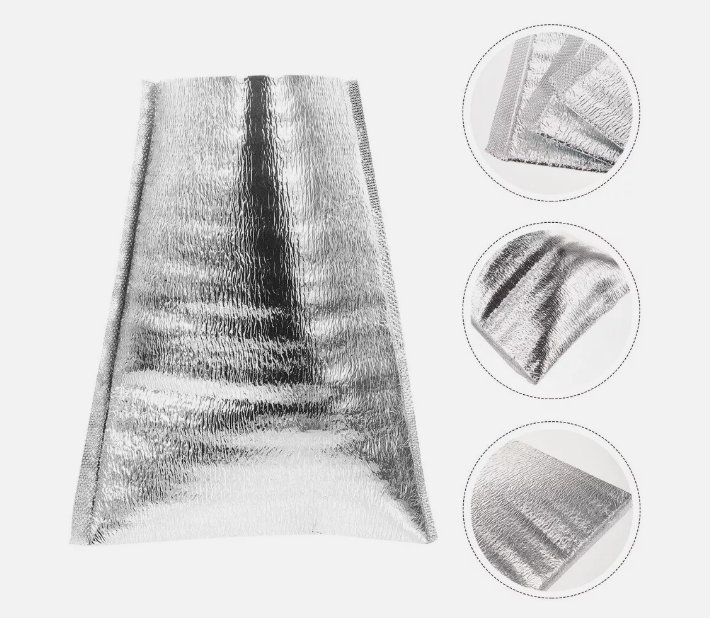
A thermal box liner is a thermal insulation material used inside cold chain packaging systems. It is installed within secondary packaging such as corrugated cartons, plastic turnover boxes, or insulated shipping containers to create a stable and controlled thermal microenvironment for products.
It functions as the middle layer in a typical cold chain structure:
Outer layer:carton or plastic box for structural protection
Middle layer:insulated box liner for thermal insulation packaging
Inner layer:product with coolant (ice packs, gel packs, etc.)
This structure forms a "mobile thermal chamber" that reduces external temperature impact during transport.
The outer box provides structural support, while the liner delivers key performance in:
Temperature control by reducing heat transfer
Environmental isolation from external heat
Cushioning protection against shock and vibration
Together, they work as a unified system to ensure safe and stable cold chain transport.
The thermal performance of insulated box liners is achieved through a multi-layer composite structure, where each layer performs a specific function to build an efficient insulation system.
A typical insulated thermal box liner includes three key layers:
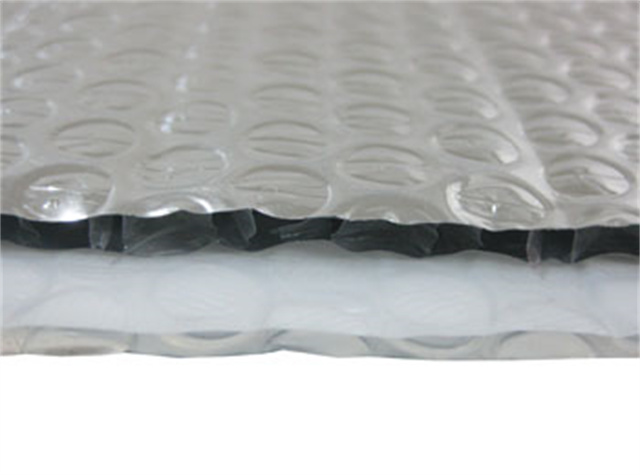
Outer protective layer:Provides structural strength and impact resistance, commonly made of kraft paper, PET film, or reinforced composites.
Middle insulation layer:The core functional layer that blocks heat transfer, using materials such as EPE, EPP, or PU foam with low thermal conductivity.
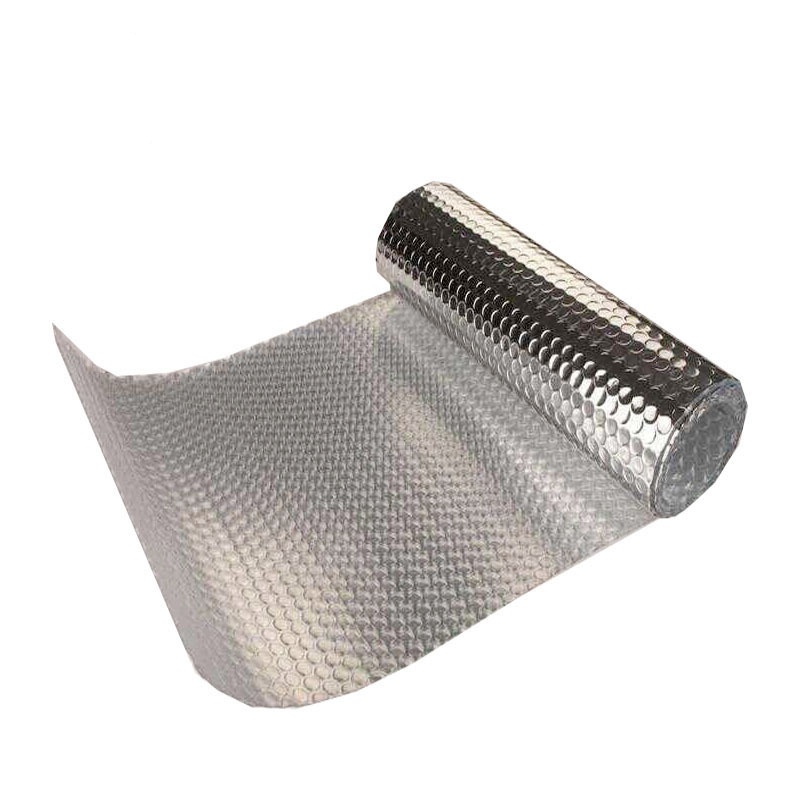
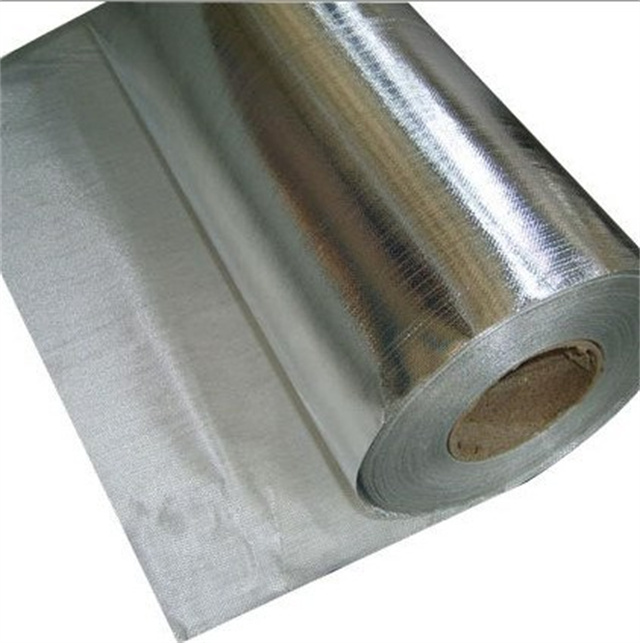
Inner reflective layer:Typically aluminum foil or metallized film, which reflects radiant heat and reduces moisture ingress.
Together, these layers form a highly effective thermal barrier.
Layer structure:Multi-layer designs offer significantly better insulation than single-layer options, making them suitable for long-distance cold chain transport.
Thickness:Greater thickness improves thermal resistance and extends temperature retention, but increases cost and packaging volume.
Sealing integrity:Proper sealing is essential, as air leakage or heat infiltration can significantly reduce overall insulation performance.
Overall, structural design directly determines insulation efficiency and cold chain reliability.
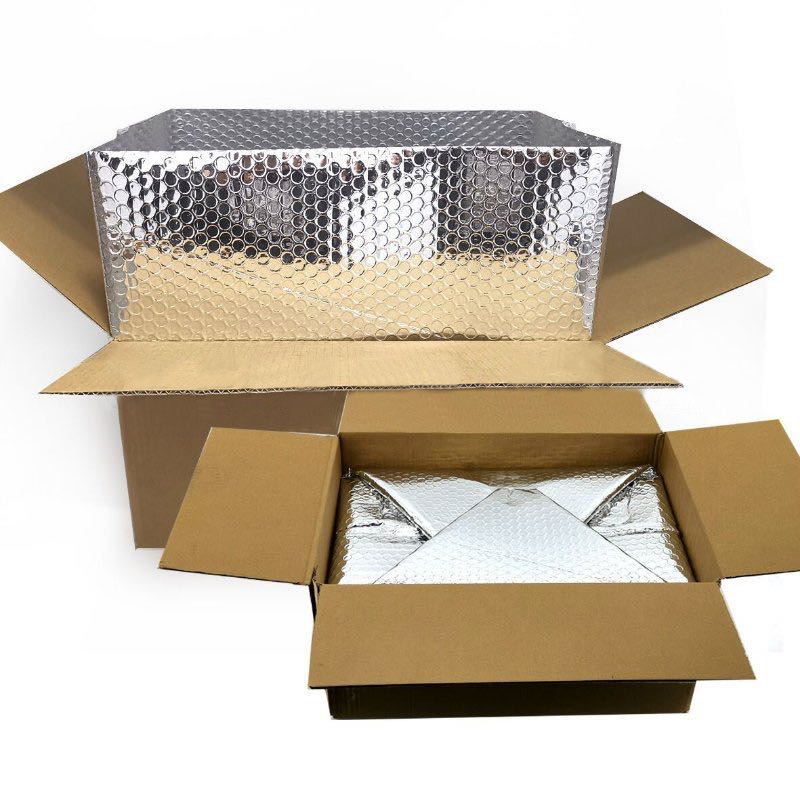
The performance of insulated box liners depends heavily on material selection and combination. Different materials provide unique thermal insulation, cushioning, and structural properties, which together determine overall efficiency.
|
Material |
Key Properties |
Main Advantages |
Typical Applications |
|
Aluminum Foil |
Heat reflection, moisture resistance |
Reduces heat ingress as a reflective layer |
Inner lining in cold chain packaging |
|
EPE Foam |
Lightweight, cushioning insulation |
Low cost, easy processing, widely used |
Food and e-commerce logistics |
|
EPP/EVA |
High strength, impact resistance |
Reusable and durable |
Premium and pharmaceutical transport |
|
PU Foam |
Low thermal conductivity, dense |
Strong long-duration insulation |
Medical and long-distance cold chain |
|
Composite Structures |
Multi-material combination |
Balanced performance and high customization |
High-end cold chain solutions |
Composite structures are now the dominant trend, as they combine multiple material advantages to achieve better thermal performance and wider application adaptability.
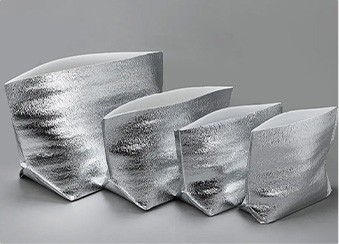
Combines heat reflection, insulation, and reduced conduction to extend cold chain duration and maintain stable internal temperatures.
Lighter and more space-efficient than rigid boxes, reducing logistics costs and improving loading efficiency.
Prevents condensation ingress, protecting food quality and pharmaceutical stability during transport.
Supports flexible customization in size, structure, and materials, with OEM/ODM solutions for various applications.
Insulated liners for shipping are widely used in cold chain logistics, including food transportation, pharmaceutical and vaccine delivery, e-commerce distribution, catering insulation, and cross-border cold chain operations. With the rapid growth of instant retail and global e-commerce, demand for efficient, lightweight, and customizable thermal packaging continues to increase.
Selection should be based on transport duration, temperature requirements, cost, and usage frequency. For short-distance transport, EPE is suitable; for medium to long distances, EPE combined with aluminum foil is recommended; for ultra-long durations, PU or high-density materials are preferred. For temperature control, frozen (-18°C) applications typically use PU structures, chilled (2–8°C) environments suit EPE or EPP, and ambient insulation can use basic composite structures. Disposable applications generally rely on lightweight EPE, while reusable systems are better suited to EPP or EVA materials.
In general, stricter temperature requirements require more complex structures, while higher usage frequency calls for more durable materials.
Insulated box liners are a key part of cold chain packaging, with performance determined by structure and materials. Multi-layer designs combine insulation, reflection, and protection to maintain stable temperatures during transport. As the industry evolves, they are developing toward higher performance, lighter weight, sustainability, and greater customization.
Selecting a supplier with strong design and material expertise is essential. Harmony Print Pack provides customized cold chain packaging solutions, helping optimize thermal stability and cost efficiency across different applications.

Copyright © 2025 Harmony Print Pack Co., Ltd. All rights reserved. Site Map Powered by