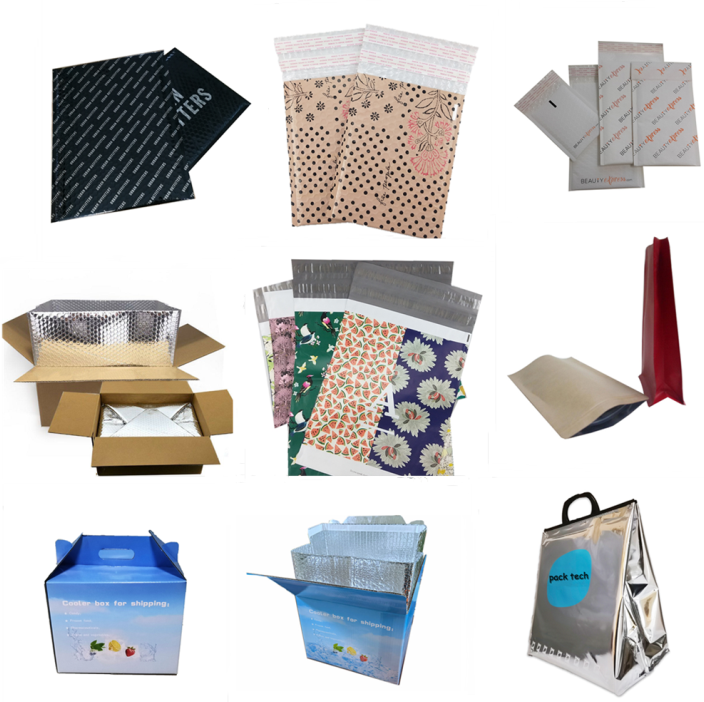
Insulated bags are widely used in logistics and daily life for temperature-sensitive applications such as cold chain transport, e-commerce delivery, and outdoor food and beverage carrying. As cold chain systems continue to develop, maintaining temperature stability during transportation has become increasingly important, making insulated packaging essential for product quality and user experience.
This article explores the key question of what materials are used in insulated bags, including aluminum foil, EPE foam, EPP/EVA foam, PU insulation, non-woven/oxford fabric, and bubble wrap. It also briefly explains their roles, performance differences, and suitable applications, and summarizes key selection considerations and trends in customized insulated packaging solutions.
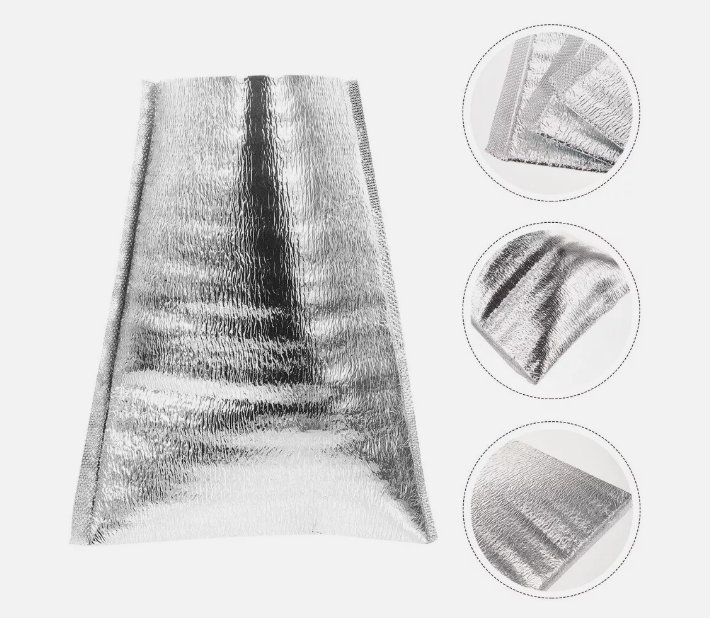
The performance of a thermal bag depends on a multi-layer structure, typically consisting of an outer layer, a middle insulation layer, and an inner reflective/moisture barrier layer. Each layer contributes to insulation, protection, and durability.
Usually made of oxford fabric or nylon, it protects against friction, scratches, and minor impacts. It also supports branding through printing or labeling.
Made from materials such as EPE, EPP, or PU foam, this layer reduces heat transfer and determines overall insulation duration and temperature stability.
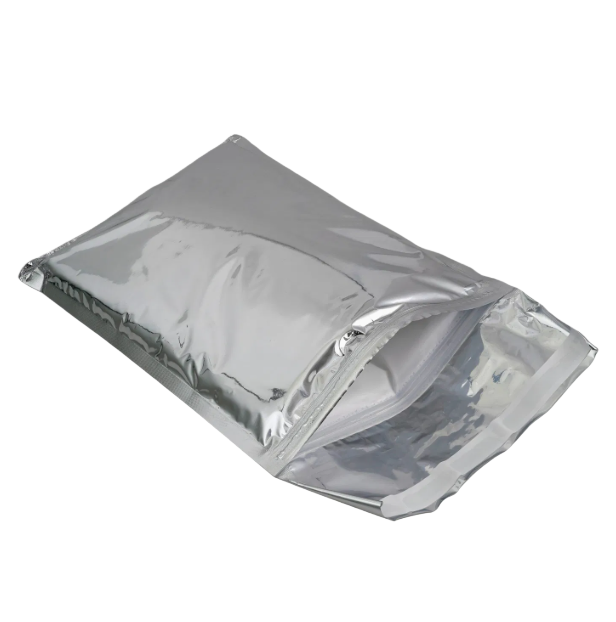
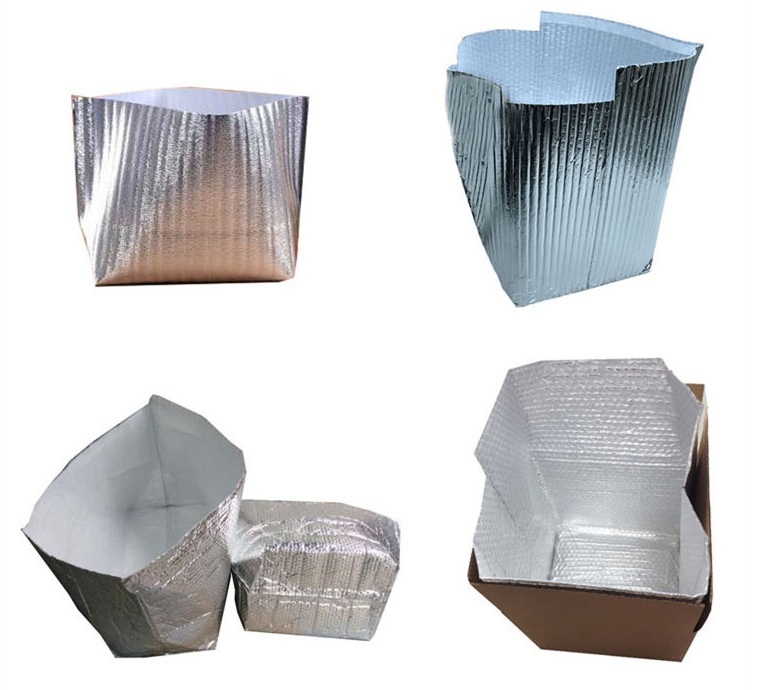
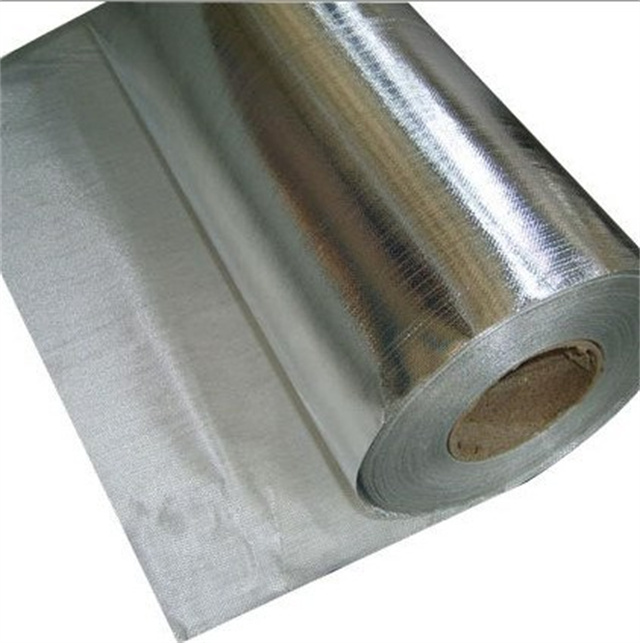
Typically aluminum foil, it reflects heat back inside and prevents moisture ingress, helping maintain internal temperature and protect contents.
The structure can be adjusted based on application needs, with different material combinations and thickness designed to balance insulation time, flexibility, and cost.
The thermal performance and lifespan of insulation bags mainly depend on material properties and structural combinations. Different materials vary in insulation performance, strength, cost, and applications. The table below summarizes common materials by function, along with their key features and typical uses.
|
Material |
Function |
Key Features |
Advantages |
Applications |
|
Aluminum Foil |
Inner reflective/ moisture barrier |
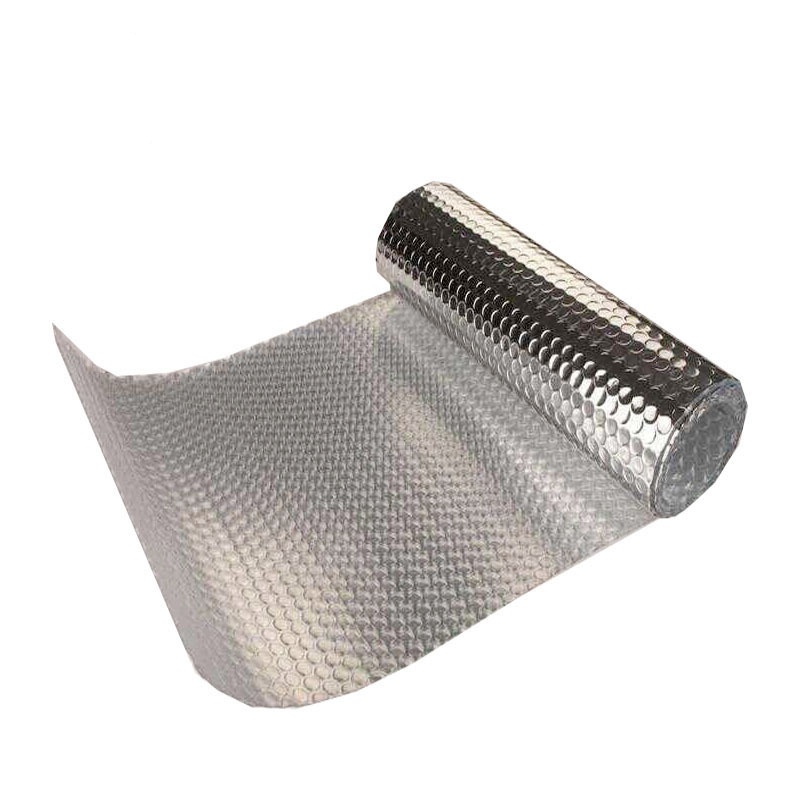
High heat reflectivity, reduces heat loss, moisture resistant, lightweight |
High reflectivity, low cost |
Cold chain food, pharmaceutical packaging |
|
EPE Foam |
Middle insulation layer |
Closed-cell structure, provides insulation, cushioning, and shock absorption |
Low cost, versatile |
E-commerce cold chain, thermal packaging |
|
EPP/EVA Foam |
Middle insulation layer |
Strong structure, deformation-resistant, reusable |
Durable, stable insulation |
High-end cold chain boxes, medical logistics |
|
PU Insulation |
Middle insulation layer |
High density, low thermal conductivity, long-lasting insulation |
Excellent thermal performance |
Pharmaceutical cold chain, long-distance transport |
|
Non-woven/Oxford Fabric |
Outer layer |
Durable, tear-resistant, supports printing and branding |
Strong, customizable |
Reusable insulated bags, branded packaging |
|
Bubble Wrap |
Auxiliary layer |
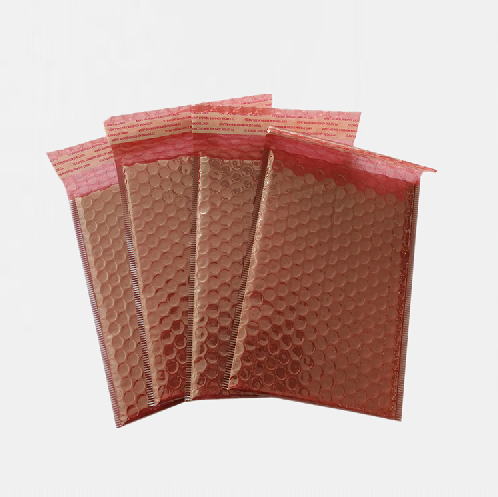
Air-based insulation and cushioning, lightweight and low cost |
Cheap, flexible |
Short-distance delivery, temporary packaging |
Material selection and thickness design directly affect insulation time, temperature resistance, and service life. In practice, choices should balance transport distance, temperature requirements, cost, and usage frequency to achieve optimal performance.

The thermal performance of insulated bags is mainly determined by three factors:
Thermal conductivity indicates a material’s ability to transfer heat. The lower the value, the better the insulation performance. Common materials ranked from best to weakest are: PU
For the same material, greater thickness generally improves insulation by extending heat transfer paths. However, it also increases cost and bulk, so it must be balanced based on practical application needs.
Single-layer structures are cost-effective but provide limited insulation time. Multi-layer composite structures—such as an outer fabric layer, a middle foam insulation layer, and an inner aluminum foil reflective layer—combine material advantages to achieve more stable and longer-lasting thermal performance.
In summary, professional thermal insulation package typically uses a multi-layer composite structure to balance insulation efficiency, durability, and cost.
Different application scenarios require different material combinations. Food delivery commonly uses aluminum foil+EPE foam to balance cost and short-term insulation performance. Pharmaceutical cold chain logistics has stricter requirements and typically adopts PU insulation+high-seal structures to extend temperature control duration. E-commerce shipping focuses more on protection and appearance, making EPE foam+oxford fabric a suitable option. For short-distance insulation, bubble wrap+aluminum foil is preferred due to its lightweight and cost-effective nature. In addition, material selection should also consider cost, weight, usage frequency, and transportation distance to achieve an optimal balance between performance and cost-effectiveness.
With the rapid development of cold chain logistics and the continuous upgrade in consumer demand, the thermal insulated packaging industry is undergoing significant transformation. The use of eco-friendly and recyclable materials is becoming increasingly widespread, driving the industry toward greater sustainability. At the same time, reusable designs are becoming mainstream, balancing cost efficiency with environmental responsibility. In addition, the growing demand for OEM customization, along with the need to balance lightweight design and high performance, is reshaping product development and supply chain strategies. Overall, insulated packaging is evolving toward higher efficiency, sustainability, and customization.
Professional manufacturers provide customized insulated packaging solutions. Taking Harmony Print Pack as an example, it offers flexible material combinations, size and structure customization, and OEM/ODM services for industries such as food, pharmaceuticals, and e-commerce. Compared with standard products, customized solutions better match different transport conditions and improve supply chain efficiency and product safety.
Insulated bag performance depends on both material selection and structural design. Proper material combinations and multi-layer structures help extend insulation time and enhance product protection. For businesses with diverse cold chain needs, customized solutions are recommended for better performance and stability.
For more information, please visit our official website: https://www.harmonyprintpack.com/

Copyright © 2025 Harmony Print Pack Co., Ltd. All rights reserved. Site Map Powered by