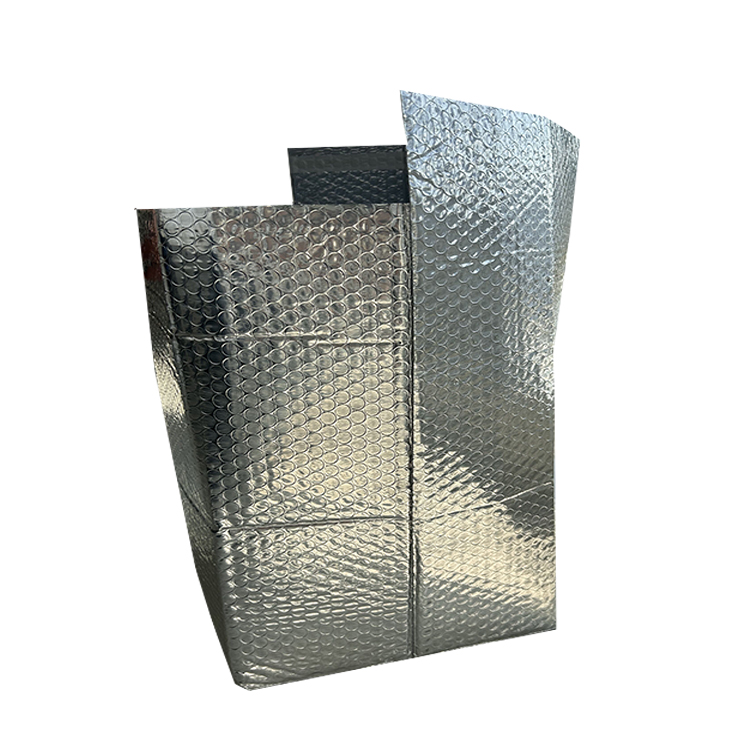
Cold chain shipping requires reliable packaging solutions to protect temperature-sensitive products and maintain stable temperatures during transportation. From food and pharmaceuticals to biological products, choosing the right insulation method is essential for product safety and quality.
Foam boxes are a traditional choice with strong insulation performance, while thermal mailers provide a lightweight and flexible alternative. Both solutions have their own advantages in insulation, cost, sustainability, storage, and customization.
This article compares thermal mailers and foam boxes to help businesses choose the right cold chain packaging solution.
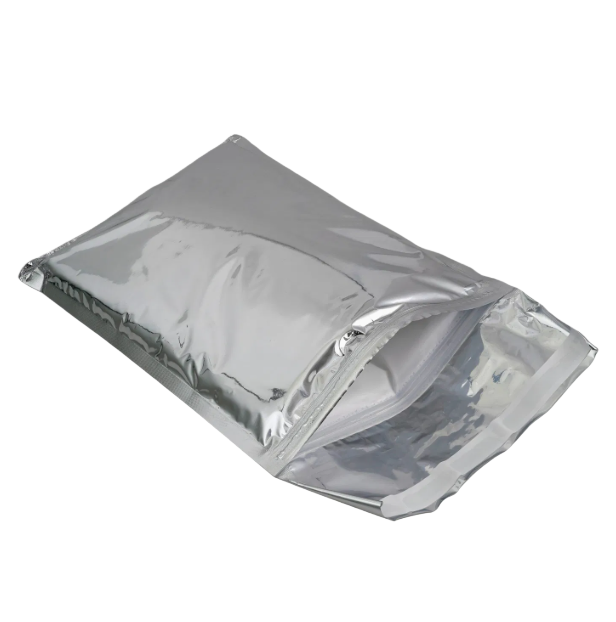
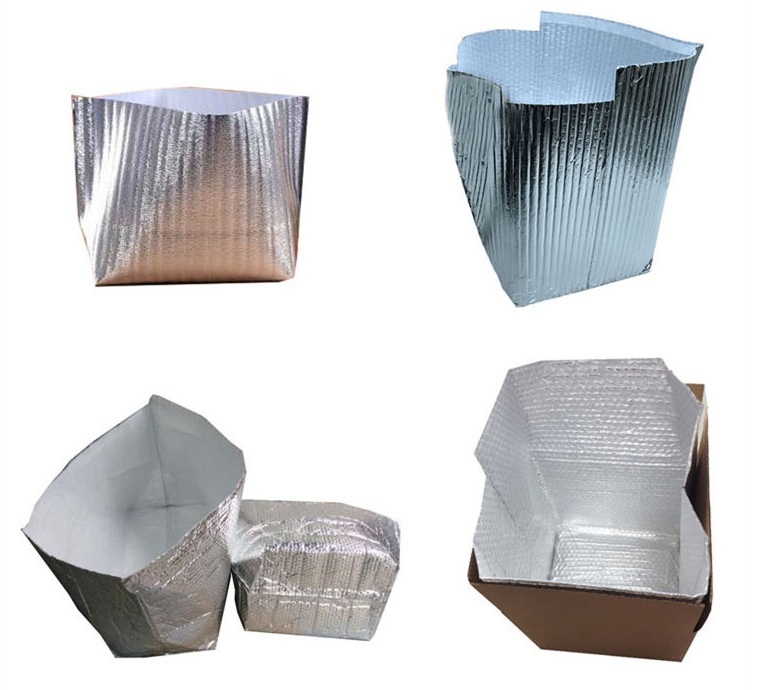
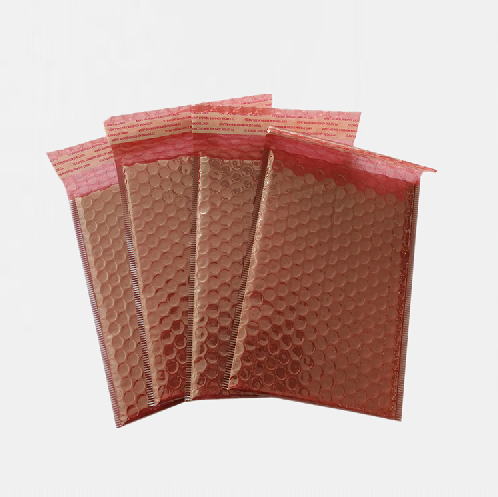
Thermal mailers are lightweight insulated packaging solutions designed to protect temperature-sensitive products during shipping. They are widely used in cold chain packaging for pharmaceuticals, vaccines, food delivery, seafood, fresh produce, cosmetics, and biological samples.
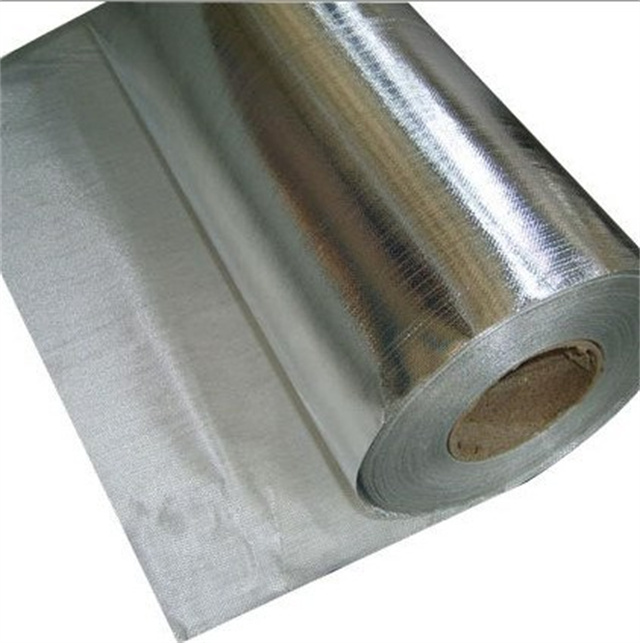
A typical thermal mailer consists of three layers. The outer layer uses durable printed film, kraft paper, or laminated materials to provide protection, branding opportunities, and moisture resistance. The insulation layer, including reflective insulation, PE foam, bubble insulation, or aluminum foil, helps reduce heat transfer and maintain internal temperatures. The inner lining protects products and improves overall thermal performance.
Foam boxes are insulated containers typically made from expanded polystyrene (EPS) and are commonly used for temperature-controlled transportation. With their rigid structure and thick insulation walls, foam boxes provide excellent insulation performance and help maintain product temperatures for extended periods. They are widely applied in seafood transportation, medical logistics, and frozen food shipping. However, foam boxes also have limitations, including bulky designs, higher storage space requirements, difficult disposal, and limited customization options compared with more flexible cold chain packaging solutions.
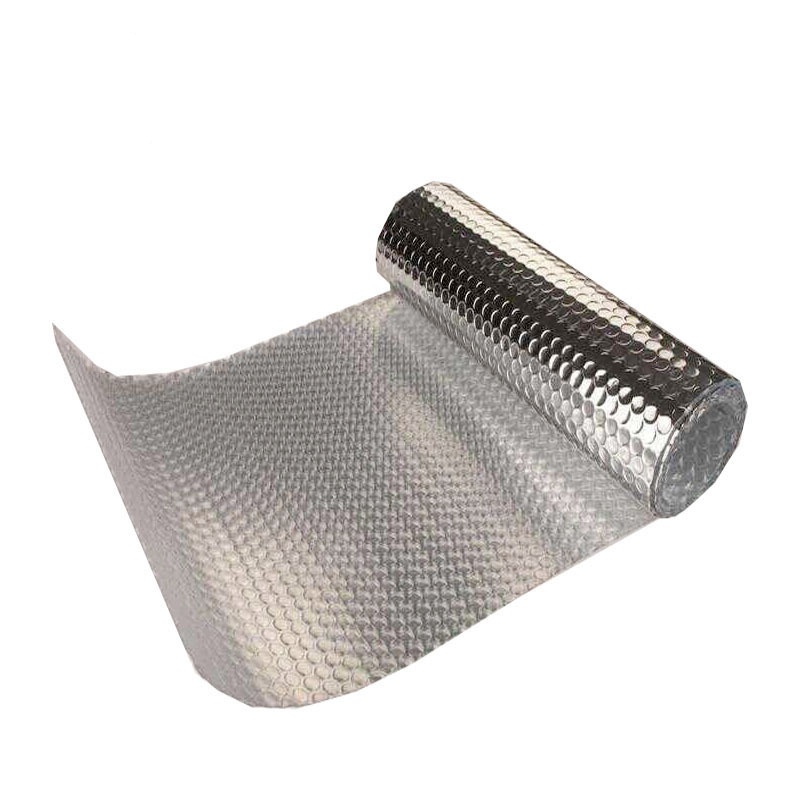
When choosing cold chain packaging, businesses need to consider factors beyond insulation performance. Thermal mailers and foam boxes differ in weight, storage efficiency, transportation costs, sustainability, customization, and daily handling.
|
Feature |
Thermal Mailers |
Foam Boxes |
|
Insulation Performance |
Suitable for short and medium-duration shipping with reliable temperature protection |
Excellent insulation performance for long-duration shipping requirements |
|
Weight |
Lightweight structure helps reduce overall package weight |
Heavier and bulkier due to rigid foam construction |
|
Storage Space |
Foldable design saves warehouse space and improves storage efficiency |
Requires more storage space due to fixed box shape |
|
Shipping Cost |
Lower transportation costs due to reduced weight and compact size |
Higher shipping costs caused by larger volume and weight |
|
Sustainability |
More recyclable material options and reduced packaging waste |
Disposal challenges due to EPS material limitations |
|
Customization |
Highly customizable in printing, size, and design |
Limited customization options |
|
Handling |
Easy to pack, store, and ship |
More difficult to handle during logistics operations |
Overall, foam boxes remain a practical choice for applications requiring maximum insulation duration, while thermal mailers offer greater flexibility, cost efficiency, and customization advantages for many modern cold chain shipping needs.
Foam boxes generally provide strong insulation because of their thick walls and rigid structure, making them suitable for long-duration temperature-controlled shipping. However, cold chain performance depends on various factors, including product type, shipping duration, external temperature, and refrigerants used. Modern thermal mailers combine reflective insulation materials, multiple protective layers, and optimized designs to provide reliable temperature control while reducing package size and weight. For many applications, they offer an efficient temperature controlled packaging solution with greater flexibility and convenience.
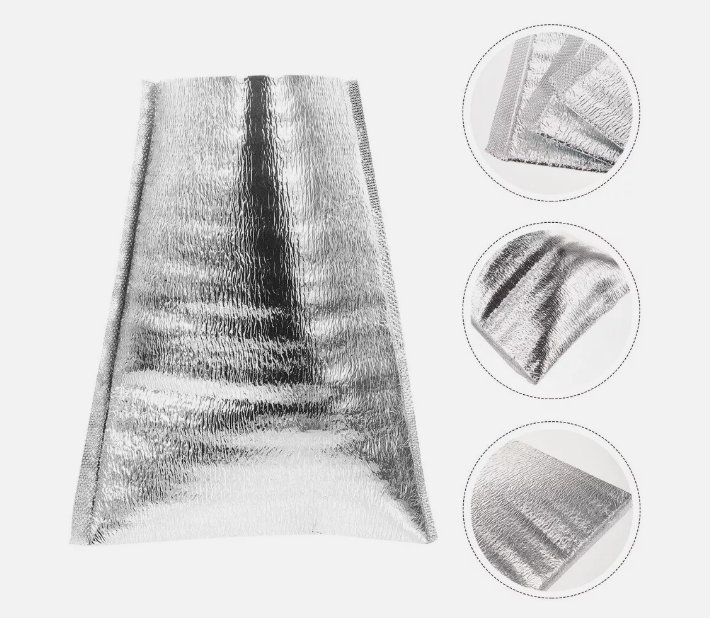
Cost efficiency is an important consideration when selecting cold chain packaging. Foam boxes usually require more material and have larger volumes, which can increase production and handling costs. In contrast, thermal mailers use lightweight materials and offer lower production costs for many applications. Their compact design also reduces dimensional weight, lowers transportation expenses, and improves logistics efficiency. In terms of storage, thermal mailers can be flat-packed to save warehouse space, while foam boxes require more storage capacity. For companies shipping large volumes, thermal mailers often provide better overall cost efficiency.
As businesses increasingly focus on sustainable packaging alternatives, cold chain solutions are evolving toward more efficient and eco-friendly designs. Foam boxes may provide strong insulation, but they often face challenges such as difficult recycling, large waste volume, and disposal issues. Thermal mailers offer advantages through less material consumption, lightweight structures, recyclable material options, and reduced transportation emissions. For brands seeking greener shipping solutions, custom sustainable thermal mailers can help balance temperature protection with environmental responsibility.
Thermal mailers provide greater customization flexibility to meet different cold chain shipping requirements. Businesses can choose custom dimensions to fit various products and reduce unnecessary packaging space. They can also add brand logos, product information, and handling instructions through customized printing. Material options, including insulation thickness, outer layers, and inner structures, can be adjusted based on specific protection needs. From pharmaceutical thermal mailers and food delivery insulated mailers to seafood shipping mailers, customized designs help improve product protection and shipping efficiency.
Thermal mailers are an ideal choice for businesses that need lightweight, efficient, and customizable cold chain packaging solutions. They are especially suitable when you require cost-effective shipping, custom branding, space-saving storage, and flexible order quantities. With their compact design and versatile applications, thermal mailers are widely used in e-commerce food delivery, pharmaceutical distribution, cosmetics, and specialty food industries. For companies looking to improve logistics efficiency while maintaining reliable temperature protection, thermal mailers offer a practical and scalable packaging solution.
Both thermal mailers and foam boxes have their own advantages for cold chain shipping. Foam boxes provide strong insulation performance for demanding applications, especially when long-duration temperature protection is required. Meanwhile, thermal mailers offer a more flexible, lightweight, and customizable solution for many modern cold chain applications, helping businesses improve shipping efficiency and reduce packaging challenges.
Choosing the right cold chain packaging solution requires balancing insulation performance, transportation costs, sustainability, and customization needs. As a professional printing and packaging manufacturer, Shenzhen Harmony Print Pack Co., Ltd. (HPP) provides customized thermal mailers and insulated packaging solutions to help businesses protect temperature-sensitive products during transportation.

Copyright © 2025 Harmony Print Pack Co., Ltd. All rights reserved. Site Map Powered by